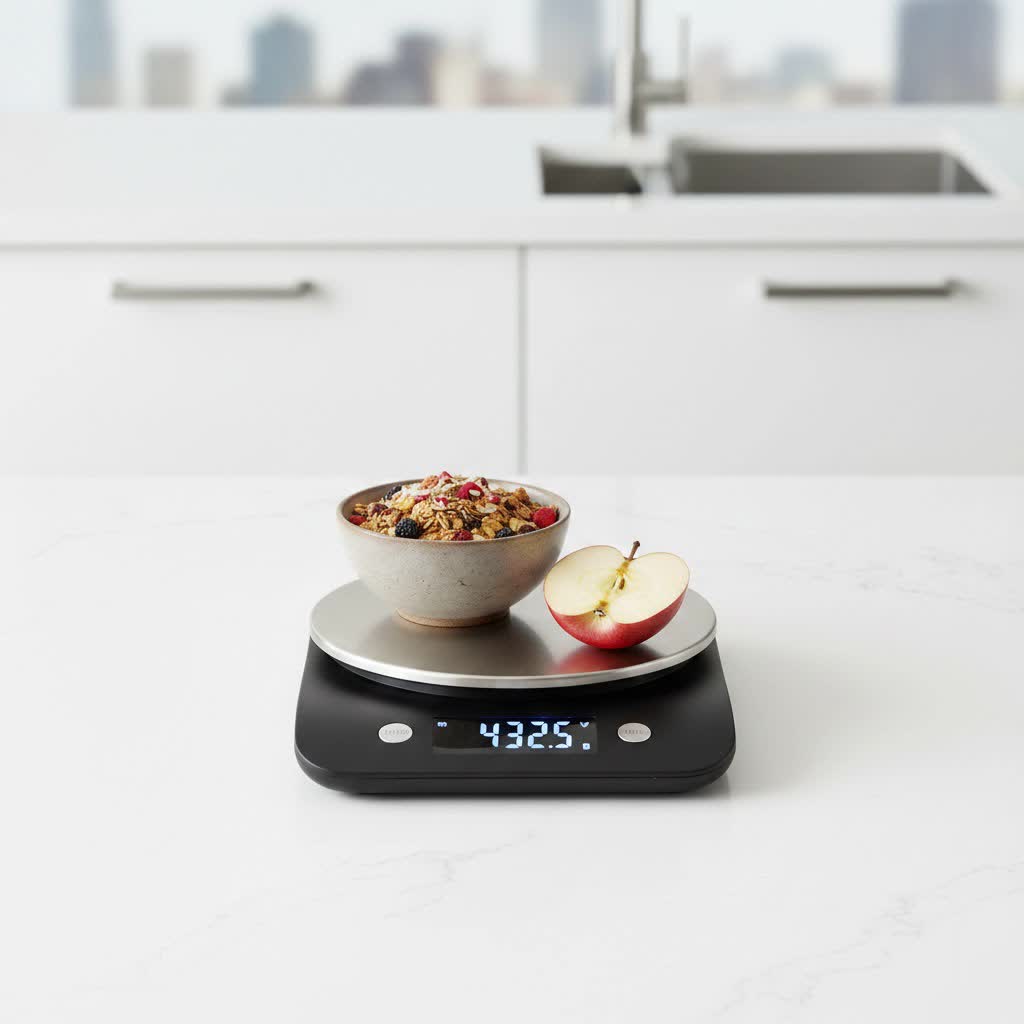
In the realm of culinary arts, where precision often dictates perfection, a digital kitchen scale stands as an invaluable ally. It’s the silent workhorse behind consistently perfect baked goods, perfectly balanced sauces, and accurately portioned meals. But within its sleek design lies a single button that elevates its utility from helpful to absolutely essential: the tare function. For anyone who has ever wrestled with messy measuring cups or painstakingly tried to subtract container weights, the tare button is nothing short of a kitchen revolution. It’s the secret ingredient for unlocking effortless accuracy, transforming your cooking and baking experience into one of seamless precision and efficiency.
Why Precision Matters in the Kitchen
Achieving culinary excellence often hinges on the meticulous measurement of ingredients. In baking, for instance, the exact ratios of flour to leavening agents, or sugar to fat, are critical determinants of a recipe’s success. Even slight deviations can lead to dense cakes, crumbly cookies, or overly sweet confections. Beyond baking, accurate weighing is crucial for developing complex sauces, precise marinades, and consistent dishes that taste the same every time you make them. For those managing dietary needs, portion control is paramount, and a digital scale ensures you can track every gram with unwavering accuracy, supporting healthier eating habits and lifestyle goals. Without precision, you’re often left guessing, and in the kitchen, guessing can lead to disappointing results.
Understanding the Tare Function: More Than Just Zero
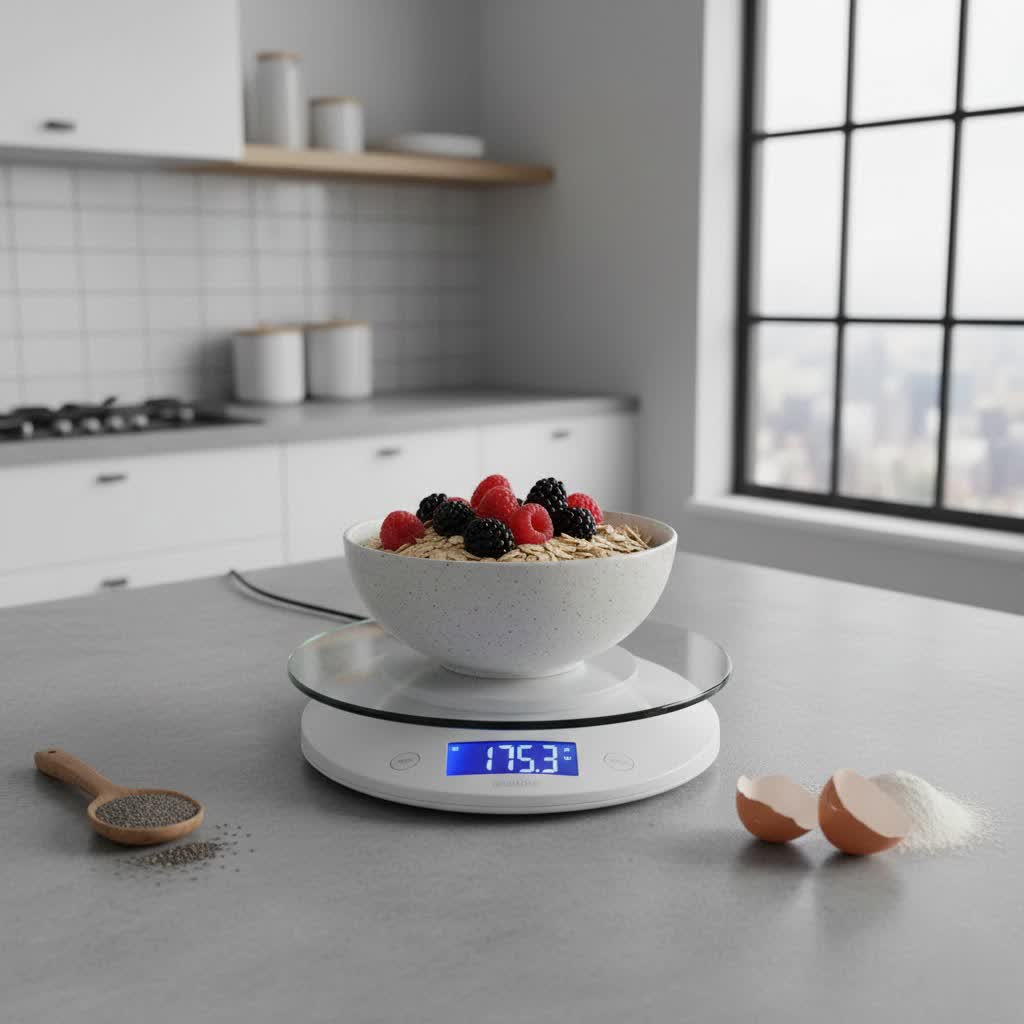
The tare function is a cornerstone of precise weighing, allowing you to effectively “zero out” the weight of any container or item already placed on your digital kitchen scale. Imagine you need to weigh 200 grams of flour. Instead of pouring flour directly onto the scale’s platform, creating a potential mess, you can place your mixing bowl on the scale. The scale will display the bowl’s weight. Here’s where tare works its magic: press the tare button, and the display instantly resets to zero. Now, as you add your flour, the scale only measures the weight of the flour itself, ignoring the bowl.
It’s crucial to differentiate the tare function from the “zero” button, though they might seem similar at first glance. The “zero” button is typically used to reset the scale to zero when nothing is on it, often to correct for minor fluctuations or residual dust. The tare function, however, specifically addresses the need to exclude the weight of a container or any non-ingredient item already on the scale, making it a dynamic tool for active weighing. This distinction is vital for achieving true net weight measurements.
The Unrivaled Benefits of the Tare Button
The power of the tare function extends far beyond simple container subtraction, offering a suite of advantages that streamline your kitchen workflow and elevate your culinary results.
Unmatched Accuracy and Consistency
|
Our Picks for the Best Digital kitchen scale in 2026
As an Amazon Associate I earn from qualifying purchases.
|
||
| Num | Product | Action |
|---|---|---|
| 1 | Etekcity Food Kitchen Scale, Digital Grams and Ounces for Weight Loss, Baking, Cooking, Keto and Meal Prep, LCD Display, Medium, 304 Stainless Steel |

|
| 2 | Food Scale -33lb Digital Kitchen Scale for Food Ounces Grams Rechargeable 304 Stainless Steel,Batteries and Type-C Charging | Perfect for Meal Prep, Cooking, and Baking, Black |
|
| 3 | Etekcity Digital Food Kitchen Scale, Grams and Oz for Weight Loss, Baking and Cooking, 0.05oz/1g Precise Graduation,5 Weight Units, IPX6 Waterproof, USB Rechargeable,304 Stainless Steel-Silver, 22lb |
|
| 4 | OXO Good Grips 11-Pound Stainless Steel Kitchen Scale with Pull-Out Display - Black |
|
| 5 | Amazon Basics Digital Kitchen Scale with LCD Display, Tare Function, Multiple Units, Weighs up to 11 Pounds, Batteries Included, Black and Stainless Steel |
|
| 6 | Ultrean Food Scale, Digital Kitchen Scale with LCD Display, Weight Grams and Ounces for Baking Cooking and Meal Prep, 6 Units with Tare Function, 304 Stainless Steel, 11lb (Batteries Included) |
|
| 7 | Mik-Nana Food Scale, 10kg/22lb Digital Kitchen Scale Weight Grams and Ounces for Baking Cooking Coffee Package Postage, 6 Units with Tare Function, LCD Display, Easy Clean Stainless Steel |
|
| 8 | Food Scale, 11lb Kitchen Scale with 0.05oz/1g Precision, 6 Units Tare Function & LCD Display, Stainless Steel Digital Scale for Baking, Cooking, Meal Prep - Kitchen Gadgets & Gifts, Home Essentials |
|
| 9 | Nicewell Food Scale, 22lb Digital Kitchen Scale Weight Grams and oz for Cooking Baking, 1g/0.1oz Precise Graduation, Stainless Steel and Tempered Glass |
|
| 10 | Mik-Nana Food Scale, 22lb Digital Kitchen Scale with 6 Units Tare Function & LCD Display, Stainless Steel Weight Grams and Ounces for Baking, Cooking and Meal Prep (Batteries Included) |
|
The primary benefit of the tare function is the unparalleled accuracy it provides. By eliminating the weight of the container, you ensure that you are measuring only the true weight of your ingredients. This is incredibly important for recipes that demand exact proportions, such as delicate pastries or complex chemical mixtures in a lab. Manual subtraction is prone to human error, but the tare button does the math for you automatically, guaranteeing consistent results every single time you weigh. This reliability builds confidence in your cooking and ensures that your favorite recipes turn out perfectly, batch after batch.
Enhanced Efficiency and Time-Saving
Think about recipes requiring multiple dry and wet ingredients. Without tare, you’d need a separate bowl for each ingredient or the tedious process of transferring ingredients and manually resetting the scale. With the tare function, you can add your first ingredient to a bowl, tare the scale to zero, then add the next ingredient, tare again, and so on. This remarkable capability means you can measure several ingredients consecutively into a single mixing bowl. It drastically cuts down on preparation time and simplifies the entire weighing process, letting you focus more on the art of cooking and less on mathematical acrobatics.
Superior Cleanliness and Convenience
Who loves extra dishes? No one. The tare function is a game-changer for maintaining a tidy kitchen. Instead of dirtying multiple measuring cups and spoons, you can weigh ingredients directly into your main mixing bowl, saucepan, or even serving dish. This minimizes clutter, reduces cleanup time, and makes the cooking process feel far less daunting. For liquids or sticky ingredients that are difficult to transfer, the convenience of weighing them directly into their final vessel is invaluable, ensuring you get every last gram without mess or waste.
Perfect Portion Control and Dietary Management
For individuals focused on healthy eating, weight management, or specific dietary restrictions, precise portion control is non-negotiable. The tare function allows you to measure exact serving sizes of food, from grains and proteins to nuts and fruits. Whether you’re tracking macronutrients, counting calories, or simply ensuring balanced meals, the ability to reset the scale and add precise amounts makes adhering to your dietary goals simple and foolproof. It empowers you to take full control of what you consume, fostering a healthier lifestyle.
Mastering the Tare Function: Practical Tips
While the tare button is intuitive, a few best practices will ensure you get the most out of this essential feature. Always begin by placing your empty container squarely on the scale’s platform. Wait for the reading to stabilize before pressing the tare button; this ensures the scale accurately registers the container’s weight. Once tared, the display should read zero, indicating it’s ready for your ingredients.
For recipes with multiple components, embrace successive taring. Add your first ingredient, then press tare before adding the next. This allows you to build a complex mixture in a single container without needing separate measurements or calculations. However, always be mindful of your scale’s maximum weight capacity. The combined weight of your container and all ingredients must remain within this limit to ensure accurate readings and prevent potential damage to the scale’s internal sensors. Finally, if you’re switching between different types of containers or starting a completely new recipe, it’s always a good idea to remove everything from the scale and allow it to return to a true zero before you begin again, ensuring a fresh start.
Choosing a Digital Kitchen Scale with an Excellent Tare Feature
When selecting a digital kitchen scale, the quality and responsiveness of its tare function should be a top consideration. Look for scales with a clearly labeled, easily accessible tare button that responds quickly. A bright, clear, and easy-to-read digital display is also vital, as it ensures you can quickly confirm your zeroed readings and ingredient weights without straining your eyes. Consider the scale’s weight capacity to match your typical cooking needs; a higher capacity is beneficial if you often bake large batches or prepare substantial meals. Finally, opt for scales made from durable, easy-to-clean materials like stainless steel or tempered glass, which can withstand the rigors of a busy kitchen and maintain hygiene. A robust tare function, coupled with these practical features, guarantees a scale that will serve you faithfully for years.
Conclusion
The tare function is undoubtedly the most important button on your digital kitchen scale, transforming it from a simple measuring device into an indispensable culinary tool. Its ability to effortlessly subtract container weight underpins unparalleled accuracy, drives efficiency by allowing multi-ingredient weighing in a single vessel, and promotes cleanliness by minimizing the need for multiple bowls. Whether you’re a seasoned baker perfecting delicate recipes, a health enthusiast meticulously tracking macros, or simply someone who enjoys a more streamlined cooking process, embracing the tare function will revolutionize your time in the kitchen. It simplifies complex tasks, ensures consistent results, and empowers you to cook and bake with confidence. So, take advantage of this small but mighty button, and watch as your culinary precision reaches new heights. What culinary creation will you master next with your perfectly tared measurements?
Frequently Asked Questions
Can I tare multiple times for different ingredients in the same bowl?
Yes, absolutely! The tare function is designed precisely for this. After adding your first ingredient and taring the scale back to zero, you can add the next ingredient, tare again, and continue this process for all your subsequent ingredients.
Is the tare button the same as the zero button?
While both buttons reset the display to zero, they serve different purposes. The tare button resets the display to zero when an item (like a container) is on the scale. The zero button resets the display to zero when nothing is on the scale, typically to account for minor fluctuations or debris.
What happens if I remove the container after taring?
If you remove the container after pressing the tare button, the scale’s display will show a negative reading, indicating the weight that was previously tared out. This is normal and shows that the scale remembered the container’s weight.
Can I use the tare function for liquids?
Yes, the tare function is extremely useful for measuring liquids. Simply place an empty cup or jug on the scale, press tare to zero it out, and then pour in your liquid. The scale will accurately display only the weight of the liquid.
How do I know if my kitchen scale has a tare function?
Most modern digital kitchen scales have a dedicated tare button, often labeled “TARE,” “Z/T,” or sometimes “ZERO.” If your scale allows you to reset the weight to zero while a container is on it, it has a tare function.