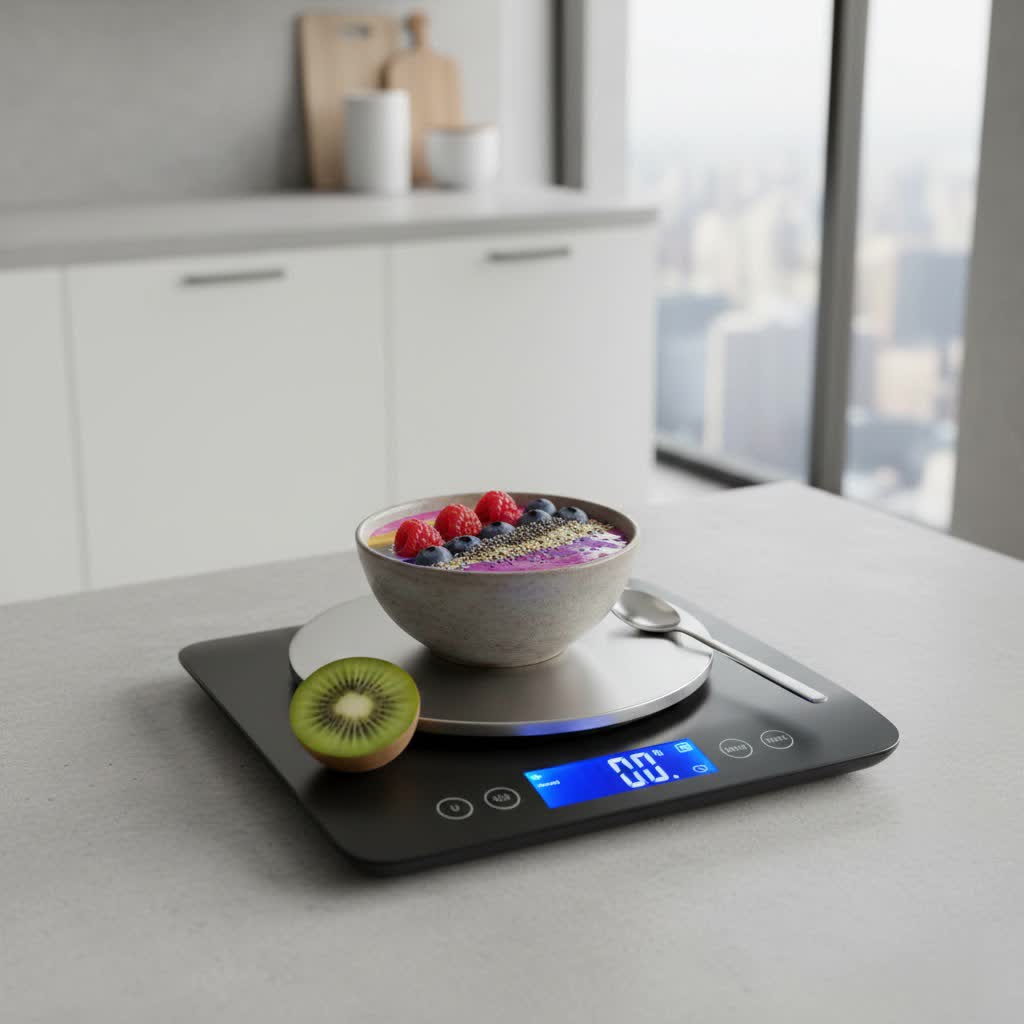
For decades, the debate between measuring by weight and by volume has simmered in kitchens worldwide. While volume measurements with cups and spoons have long been the standard for home bakers, the culinary world’s most consistent and celebrated creations often rely on the precise power of a digital kitchen scale. If you’re ready to elevate your baking, achieve consistent, professional-quality results, and truly understand the science behind perfect pastries, it’s time to embrace the metric system of the kitchen.
Why Digital Kitchen Scales Are Crucial for Baking Success
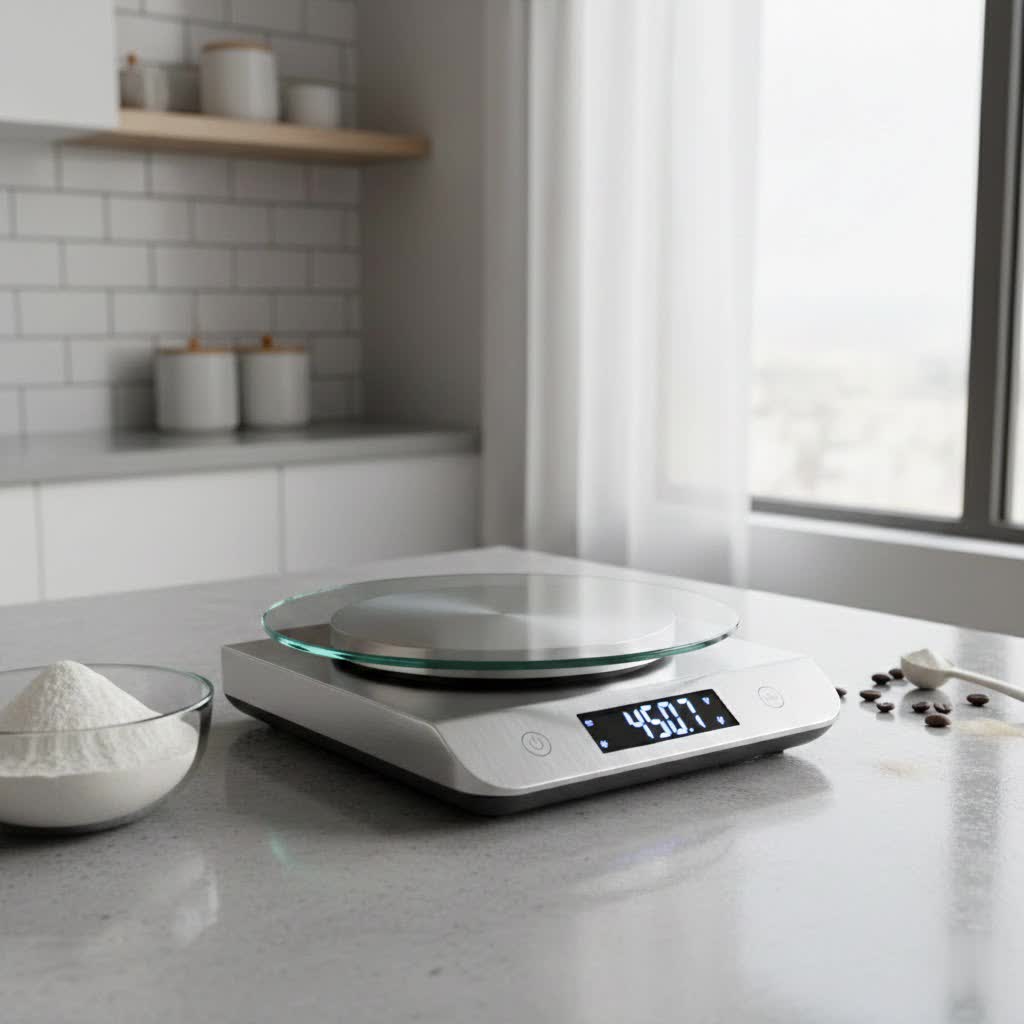
Baking is a beautiful blend of art and science, a delicate dance of chemical reactions where ingredients interact to form something truly magical. The success of these reactions hinges on exact ratios. This is precisely where the digital kitchen scale becomes an indispensable tool. It ensures that every ingredient, from flour to sugar to liquids, is added in the precise amount required, leaving no room for the guesswork that often plagues volume measurements. The result? Unwavering consistency in every batch, from the flakiest pie crust to the most tender cake. This level of accuracy also empowers you to better control portion sizes, a significant advantage for those mindful of healthy eating and dietary management. Moreover, ditching multiple measuring cups and spoons for a single scale simplifies your workflow, saving valuable time and effort in the kitchen.
The Flaws of Volume Measurements in Baking
While familiar, volume measurements, like cups and tablespoons, are inherently prone to inconsistency. Consider a cup of flour: depending on how it’s scooped—whether it’s lightly spooned in, dipped directly from the bag, or heavily packed—the actual amount of flour can vary dramatically. This variability is a fundamental flaw. Dry ingredients like flour or cocoa powder can be compressed, leading to excess in your recipe, while irregular items like nuts or chocolate chips can leave significant air pockets, resulting in too little.
Furthermore, environmental factors such as humidity and altitude can subtly affect the density of ingredients, causing even greater discrepancies when measuring by volume. Even the standard size of a measuring cup can differ slightly across countries, leading to confusion when following international recipes. These cumulative inconsistencies can lead to dry cakes, dense breads, or unpredictable results that leave you wondering where you went wrong.
Key Benefits of Baking by Weight
Embracing a digital kitchen scale for baking unlocks a world of advantages, transforming your culinary process and the quality of your finished goods.
Unmatched Accuracy and Consistency
|
Our Picks for the Best Digital kitchen scale in 2026
As an Amazon Associate I earn from qualifying purchases.
|
||
| Num | Product | Action |
|---|---|---|
| 1 | Food Scale, 11lb Kitchen Scale with 0.05oz/1g Precision, 6 Units Tare Function & LCD Display, Stainless Steel Digital Scale for Baking, Cooking, Meal Prep - Kitchen Gadgets & Gifts, Home Essentials |

|
| 2 | Ultrean Food Scale, Digital Kitchen Scale with LCD Display, Weight Grams and Ounces for Baking Cooking and Meal Prep, 6 Units with Tare Function, 304 Stainless Steel, 11lb (Batteries Included) |
|
| 3 | Amazon Basics Digital Kitchen Scale with LCD Display, Tare Function, Multiple Units, Weighs up to 11 Pounds, Batteries Included, Black and Stainless Steel |
|
| 4 | Mik-Nana Food Scale, 10kg/22lb Digital Kitchen Scale Weight Grams and Ounces for Baking Cooking Coffee Package Postage, 6 Units with Tare Function, LCD Display, Easy Clean Stainless Steel |
|
| 5 | Etekcity Digital Food Kitchen Scale, Grams and Oz for Weight Loss, Baking and Cooking, 0.05oz/1g Precise Graduation,5 Weight Units, IPX6 Waterproof, USB Rechargeable,304 Stainless Steel-Silver, 22lb |
|
| 6 | Mik-Nana Food Scale, 22lb Digital Kitchen Scale with 6 Units Tare Function & LCD Display, Stainless Steel Weight Grams and Ounces for Baking, Cooking and Meal Prep (Batteries Included) |
|
| 7 | Food Scale -33lb Digital Kitchen Scale for Food Ounces Grams Rechargeable 304 Stainless Steel,Batteries and Type-C Charging | Perfect for Meal Prep, Cooking, and Baking, Black |
|
| 8 | OXO Good Grips 11-Pound Stainless Steel Kitchen Scale with Pull-Out Display - Black |
|
| 9 | Nicewell Food Scale, 22lb Digital Kitchen Scale Weight Grams and oz for Cooking Baking, 1g/0.1oz Precise Graduation, Stainless Steel and Tempered Glass |
|
| 10 | Etekcity Food Kitchen Scale, Digital Grams and Ounces for Weight Loss, Baking, Cooking, Keto and Meal Prep, LCD Display, Medium, 304 Stainless Steel |
|
The most compelling argument for weighing ingredients is the unparalleled accuracy it provides. A gram of flour is always a gram of flour, regardless of how it’s scooped or packed. This precision is vital for the chemical balance in baking. As renowned food writer Harold McGee noted, “A teaspoon of granular salt can contain twice as much salt as a teaspoon of flake salt.” This highlights how even small differences in density can drastically alter a recipe when measured by volume. With a scale, you eliminate these variables, ensuring your doughs, batters, and glazes are consistently perfect, batch after batch.
Time-Saving and Less Mess
Imagine measuring all your dry and wet ingredients into a single bowl. With a digital scale, this becomes a reality. Simply place your mixing bowl on the scale, tare it to zero, add your first ingredient, tare again, and add the next. This streamlined process drastically reduces the number of dirty dishes, saving you precious cleanup time. It’s also incredibly efficient for “sticky” ingredients like honey, syrup, or butter, which cling to measuring cups, often leading to wasted product and extra scrubbing.
Professional Results at Home
Professional bakers and pastry chefs universally measure by weight. This is not merely a preference but a necessity for the precision required in large-scale production and complex recipes. By adopting their methods, you bring a professional level of control and reliability into your home kitchen. This means more reliable recipes, fewer baking failures, and the joy of consistently producing high-quality baked goods that rival those from your favorite patisserie.
Easier Recipe Scaling
Scaling recipes up or down can be a nightmare with volumetric measurements, as minor errors multiply into significant discrepancies. When you bake by weight, adjusting a recipe is straightforward. Simply multiply or divide the gram measurements, and you maintain the exact ratios, ensuring your scaled-up batch of cookies or a smaller loaf of bread turns out perfectly every time.
Types of Digital Kitchen Scales for Bakers
Choosing the right digital kitchen scale is key to unlocking the benefits of weight-based baking. Different styles offer various features to suit diverse needs.
Glass Surface Scales
These scales feature a sleek, flat glass platform, making them incredibly easy to clean. Their modern aesthetic often complements contemporary kitchen designs. However, the glass surface can be more prone to breakage if dropped or if heavy items are placed carelessly upon it. They are ideal for weighing ingredients directly into a bowl placed on top.
Bowl Scales
Some digital scales come equipped with an integrated bowl or a removable bowl. This design is particularly convenient for measuring loose ingredients like flour or sugar, or liquids, as it contains them neatly. The downside is they can be slightly more cumbersome to store than flat-surface scales and the bowl capacity might be a limiting factor for very large batches.
Mini/Handheld Scales
These compact scales are designed for portability and often have a smaller footprint, making them easy to store. They are perfect for measuring very small quantities, often down to 0.1 gram, which is ideal for potent ingredients like yeast, spices, or leavening agents where extreme precision is paramount. Their main limitation is usually a lower maximum weight capacity.
Comparison Table: Digital Kitchen Scales for Baking
| Feature | Glass Surface Scale | Bowl Scale | Mini/Handheld Scale |
|---|---|---|---|
| Accuracy | High | High | Very High (for small amounts) |
| Load Capacity | Medium to Large | Medium to Large | Small |
| Durability | Medium | Good | Medium |
| Portability | Low | Low | High |
| Ease of Cleaning | Excellent | Good (removable bowl) | Good |
| Price Range | Medium | Medium | Low to Medium |
Choosing the Best Digital Kitchen Scale for Your Baking Needs
Selecting the ideal digital kitchen scale for your baking adventures involves considering several crucial factors to ensure it meets your specific requirements.
Determine Your Usage Needs
Before diving into features, think about what and how often you’ll be baking. Do you frequently bake large batches of bread, requiring a higher capacity, or are you mostly making delicate macarons where micro-measurements are key? Will you be weighing liquids, or primarily dry ingredients? Your answers will guide your choice of scale type and features.
Key Factors to Consider
- Accuracy and Precision: Look for scales that measure in 1-gram (or finer, like 0.1g for micro-ingredients) increments. This is fundamental for baking.
- Capacity (Load Limit): Ensure the scale can handle the heaviest ingredients or mixing bowls you typically use. Common capacities range from 5 kg (11 lbs) to 10 kg (22 lbs).
- Units of Measurement: A versatile scale will offer various units, including grams (g), ounces (oz), pounds (lb), and sometimes milliliters (ml) for liquids. Grams are generally preferred for baking precision.
- Tare Function: This indispensable feature allows you to zero out the weight of a bowl or previously added ingredients, letting you add multiple ingredients sequentially into one container.
- Material and Ease of Cleaning: Stainless steel or glass surfaces are durable and easy to wipe clean, resisting stains and odors—a significant advantage in a busy kitchen.
- Readability: A clear, backlit display is essential for easy reading in various lighting conditions.
- Brand Reputation: Investing in a scale from a reputable brand often guarantees better quality, durability, and customer support.
Top Recommended Digital Kitchen Scales for Bakers
While specific models can vary, several brands consistently deliver quality and precision essential for baking.
- OXO Good Grips: Renowned for their user-friendly designs and reliable accuracy, OXO scales often feature pull-out displays that prevent shadows from large bowls.
- Taylor Precision Products: A long-standing name in kitchen measurement, Taylor offers a range of durable and accurate scales, often with sleek designs and robust features.
- Etekcity: Known for offering excellent value, Etekcity scales are popular for their affordability without compromising on core functions like precision and a tare feature.
Tips for Using and Maintaining Your Digital Kitchen Scale
To ensure your digital kitchen scale continues to provide accurate measurements and serves you well for years to come, proper usage and maintenance are essential.
- Place on a Flat, Stable Surface: Always use your scale on a level, solid countertop. Uneven surfaces can lead to inaccurate readings.
- Clean Regularly: Wipe the scale platform and body with a damp cloth after each use. Avoid harsh chemicals or abrasive cleaners that could damage the surface or electronics.
- Protect from Liquids and Heat: While some scales are water-resistant, it’s best to avoid direct exposure to water or excessive heat, which can damage internal components.
- Replace Batteries Promptly: Diminished battery life can affect accuracy. Change batteries regularly or when the low-battery indicator appears.
- Store Properly: Keep your scale in a dry, cool place away from heavy objects that could inadvertently press on the platform, potentially affecting its calibration over time.
“For consistent baking success, a digital kitchen scale is not just a tool; it’s the foundation of precision. It empowers bakers to move beyond approximation and into the realm of exact science.” – Chef Maria Rossi, Culinary Arts Instructor
Conclusion
The shift from volume to weight measurement in baking, facilitated by the digital kitchen scale, is more than just a preference; it’s a paradigm shift towards greater precision, consistency, and ultimately, superior baked goods. By understanding the inherent limitations of measuring cups and embracing the undeniable accuracy of a scale, you unlock a new level of control over your recipes. From perfectly textured cakes to consistently risen breads, baking by weight ensures every ingredient contributes exactly as intended. So, isn’t it time to upgrade your baking game and experience the transformative power of precision?
Frequently Asked Questions
Why is baking by weight considered more accurate than volume?
Baking by weight is more accurate because weight is an absolute measure, unaffected by factors like how tightly an ingredient is packed or its density variations due to humidity. A gram of flour is always the same, ensuring consistent ingredient ratios crucial for successful baking.
Can I use my digital kitchen scale for liquids as well as solids?
Absolutely! Many digital kitchen scales can measure liquids by weight (e.g., grams) by using the tare function with a container. While volume measurements (like milliliters) are often used for liquids, weighing them offers the same precision benefits as with solids, especially in professional baking.
What features should I prioritize when buying a digital kitchen scale for baking?
For baking, prioritize a scale with high accuracy (1-gram increments), a decent weight capacity (5-10 kg), multiple unit options (especially grams), and a reliable tare function. Easy-to-clean materials like stainless steel or glass are also a plus for kitchen hygiene.
Is a digital kitchen scale truly necessary for a home baker, or is it just for professionals?
While professional bakers rely on scales for consistency and scaling, a digital kitchen scale significantly benefits home bakers too. It eliminates common measurement errors, leads to more consistent and improved results, and makes challenging recipes more approachable, elevating your home baking to a new level.