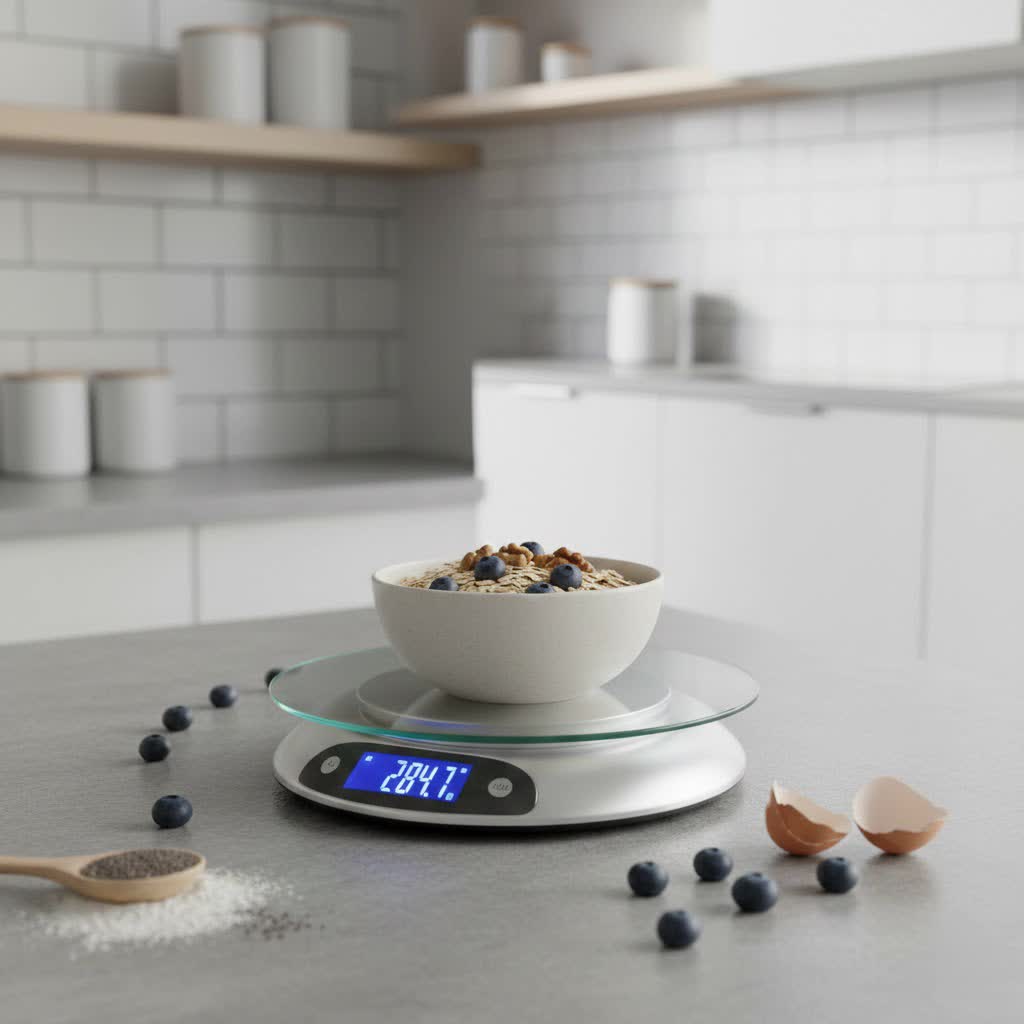
Embarking on a journey of macro tracking is a powerful step towards achieving your health and fitness goals, whether it’s losing weight, building muscle, or simply understanding your nutrition better. Yet, the path to accurate macro tracking is often fraught with common mistakes when weighing food, subtle errors that can subtly derail your diligent efforts. As someone who has spent years immersed in the world of kitchen gadgets and precise measurements, I’ve seen firsthand how a small oversight can lead to significant discrepancies over time. This guide is designed to illuminate these pitfalls and equip you with practical strategies to ensure your food weighing is as accurate and effective as possible, transforming your tracking from guesswork into an exact science.
Why Accurate Food Weighing is Paramount for Macro Tracking
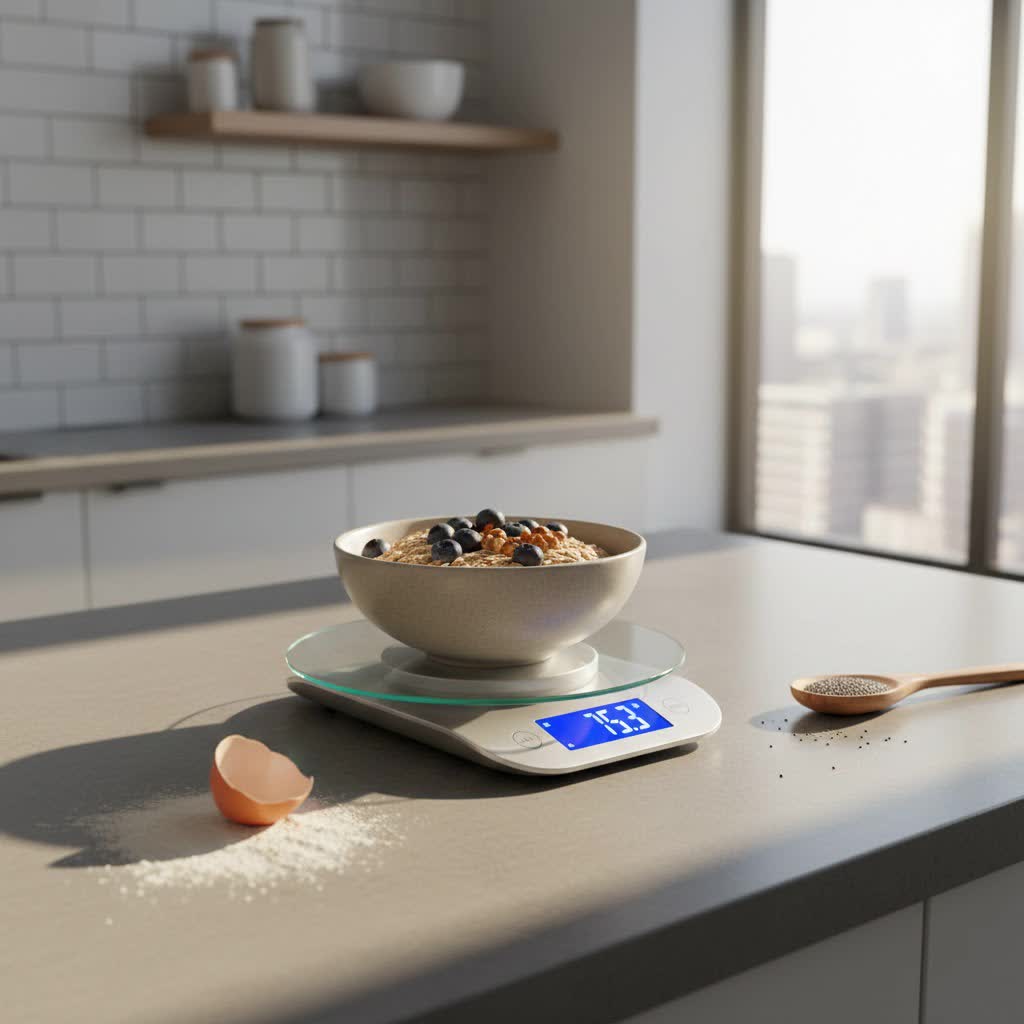
Accurate food weighing isn’t merely about numerical precision; it’s the bedrock upon which successful macro tracking is built. Every gram, every ounce, contributes to the overall picture of your daily intake, directly influencing your progress toward your nutritional and fitness objectives. Without precise measurements, you might inadvertently consume more calories or macros than intended, leading to stalled weight loss, insufficient muscle gain, or a skewed understanding of your body’s true needs. This meticulous approach fosters a deeper connection with your food, empowering you to make informed decisions and cultivating sustainable, healthy habits rooted in undeniable data.
The Foundation: Understanding Your Weighing Tools
At the heart of accurate macro tracking lies the right equipment. While various options exist, a digital kitchen scale is not just recommended but essential for anyone serious about precise measurements. Unlike traditional analog scales, which rely on springs and can be prone to inaccuracies and parallax errors, digital scales offer instant, highly precise readouts, often down to the gram or tenth of an ounce. When selecting a scale, prioritize models with a high weight capacity (to handle larger meals or meal prep batches), multiple unit options (grams, ounces, pounds, milliliters), and a clear, easy-to-read display. Crucially, ensure it has a reliable “tare” function, a feature that will become your best friend in the kitchen.
Unmasking Common Food Weighing Errors: A Detailed Look
Even with the right tools, several common mistakes when weighing food can undermine your macro tracking efforts. Recognizing these pitfalls is the first step toward overcoming them and achieving the accuracy you need.
Overlooking the Crucial “Tare” Function
|
Our Picks for the Best Digital kitchen scale in 2026
As an Amazon Associate I earn from qualifying purchases.
|
||
| Num | Product | Action |
|---|---|---|
| 1 | Amazon Basics Digital Kitchen Scale with LCD Display, Tare Function, Multiple Units, Weighs up to 11 Pounds, Batteries Included, Black and Stainless Steel |

|
| 2 | Food Scale, 11lb Kitchen Scale with 0.05oz/1g Precision, 6 Units Tare Function & LCD Display, Stainless Steel Digital Scale for Baking, Cooking, Meal Prep - Kitchen Gadgets & Gifts, Home Essentials |
|
| 3 | Food Scale -33lb Digital Kitchen Scale for Food Ounces Grams Rechargeable 304 Stainless Steel,Batteries and Type-C Charging | Perfect for Meal Prep, Cooking, and Baking, Black |
|
| 4 | Etekcity Digital Food Kitchen Scale, Grams and Oz for Weight Loss, Baking and Cooking, 0.05oz/1g Precise Graduation,5 Weight Units, IPX6 Waterproof, USB Rechargeable,304 Stainless Steel-Silver, 22lb |
|
| 5 | Ultrean Food Scale, Digital Kitchen Scale with LCD Display, Weight Grams and Ounces for Baking Cooking and Meal Prep, 6 Units with Tare Function, 304 Stainless Steel, 11lb (Batteries Included) |
|
| 6 | Mik-Nana Food Scale, 22lb Digital Kitchen Scale with 6 Units Tare Function & LCD Display, Stainless Steel Weight Grams and Ounces for Baking, Cooking and Meal Prep (Batteries Included) |
|
| 7 | Etekcity Food Kitchen Scale, Digital Grams and Ounces for Weight Loss, Baking, Cooking, Keto and Meal Prep, LCD Display, Medium, 304 Stainless Steel |
|
| 8 | OXO Good Grips 11-Pound Stainless Steel Kitchen Scale with Pull-Out Display - Black |
|
| 9 | Mik-Nana Food Scale, 10kg/22lb Digital Kitchen Scale Weight Grams and Ounces for Baking Cooking Coffee Package Postage, 6 Units with Tare Function, LCD Display, Easy Clean Stainless Steel |
|
| 10 | Nicewell Food Scale, 22lb Digital Kitchen Scale Weight Grams and oz for Cooking Baking, 1g/0.1oz Precise Graduation, Stainless Steel and Tempered Glass |
|
One of the most frequent errors is forgetting to use the “tare” function. This essential feature allows you to zero out the weight of any container (bowl, plate, wrapper) before adding your food, ensuring you only measure the food itself. Without taring, you’re including the weight of your dish in your food’s measurement, leading to an inflated and inaccurate macro count. Make it a habit: place the empty container on the scale, press “tare” or “zero,” and only then add your food.
The Raw vs. Cooked Dilemma: A Major Pitfall
A significant source of inaccuracy stems from not understanding the difference between raw and cooked food weights. Foods like rice, pasta, and meats change dramatically in weight and nutrient density during cooking due to water absorption or loss. For instance, 100g of raw chicken breast will have a different calorie and macro profile than 100g of cooked chicken breast. To ensure consistency and accuracy, always weigh ingredients in their raw state before cooking, as nutritional databases are typically based on raw weights. If you must weigh cooked food, ensure your database entry specifically specifies “cooked” to match your measurement.
Underestimating the Small Stuff: Oils, Sauces, and Condiments
It’s easy to dismiss seemingly small additions like cooking oils, dressings, sauces, and condiments as insignificant. However, these items are often calorie-dense and can quickly accumulate, adding hundreds of unnoticed calories and grams of fat or sugar to your daily intake. A “splash” of olive oil or a “dollop” of mayonnaise can be far more than you think. For precise tracking, measure all liquids and condiments by weight (grams are best) or use accurately leveled measuring spoons, especially for high-calorie items.
Inconsistent Weighing Practices
Consistency is key in macro tracking. Inconsistent practices, such as weighing some foods raw and others cooked, or measuring portions differently each day, will lead to skewed results. Establish a clear routine: decide if you’ll weigh everything raw, or if you’re weighing cooked, ensure you always use the cooked entry for that food. Weigh your food at the same stage of preparation each time (e.g., always before adding water to oats, always before searing meat). This uniformity will dramatically improve the reliability of your data.
Neglecting Scale Calibration and Maintenance
Even the best digital scales can lose accuracy over time due to wear, drops, or changes in environment. Neglecting calibration checks and basic maintenance is a silent killer of macro accuracy. A scale that’s off by a few grams can mean dozens of calories missed per meal, adding up to significant errors over a week or month. Regularly check your scale’s accuracy using a known weight (like a new coin or a specific measuring weight) and consider recalibrating if your scale allows.
Misinterpreting Scale Readings
Sometimes, the mistake isn’t in the weighing itself, but in how the reading is taken or interpreted. Placing your scale on an uneven surface, for example, can cause fluctuating or inaccurate measurements. Furthermore, always ensure the scale has stabilized and displays a final reading before you log the weight. Rounding errors, especially when dealing with smaller quantities, can also accumulate. Aim to read to the nearest gram or the most precise decimal your scale offers.
Choosing the Wrong Unit of Measurement
While many scales offer both grams and ounces, choosing the wrong unit can impact precision. Grams are inherently more precise than ounces because they offer finer increments (1 gram vs. 28.35 grams in an ounce). For optimal accuracy in macro tracking, especially with smaller portions or calorie-dense ingredients, always default to weighing in grams. This minimizes rounding errors and provides a more granular understanding of your intake.
Common Weighing Mistakes & Solutions
| Mistake | Impact on Macro Tracking | Solution for Accuracy |
|---|---|---|
| Forgetting to Tare | Inaccurate food weight, over/under-tracking | Always tare your container before adding food |
| Weighing Cooked Food for Raw Entry | Significant calorie/macro discrepancies | Weigh ingredients in their raw state for consistency |
| Estimating Oils/Sauces | Hidden calories, derailing progress | Weigh all liquids and condiments directly in grams |
| Inconsistent Weighing Times | Inaccurate daily totals | Establish a consistent time (e.g., before cooking) for all foods |
| Using an Uncalibrated Scale | Up to 10-20% error, misleading data | Calibrate your scale regularly or check against known weights |
| Weighing on Uneven Surfaces | Fluctuating readings | Always place scale on a flat, stable surface |
Preventing Errors: Essential Practices for Precision
Achieving unparalleled accuracy in your macro tracking hinges on a proactive approach to preventing common errors. It starts with the tools you choose and extends to the habits you cultivate in your kitchen.
Invest in a Quality Digital Scale: Prioritize scales known for their precision, ease of use, and essential features like a reliable tare function and multiple unit options. A scale that reads in 1-gram increments is ideal for meticulous tracking.
Establish a Consistent Routine: Integrate food weighing into your daily meal preparation routine. Decide on a consistent time for weighing (e.g., immediately before cooking, or for pre-packaged items, before opening) and stick to it. This regularity minimizes variability and builds good habits.
Educate Yourself: Take the time to understand the nutritional impact of different food states (raw vs. cooked) and how to interpret food labels accurately. Knowledge empowers you to make smarter choices at the scale and in your macro logging app.
Double-Check: Before logging any food, take a quick moment to verify the weight on the scale and ensure it aligns with your expectations. A quick mental check can often catch a missed tare or an accidental unit conversion.
Expert Insight
“Precision is the cornerstone of effective macro tracking. Even minor weighing errors, compounded daily, can significantly skew your progress over time, turning diligent effort into frustrating stagnation.” – Dr. Alex Chen, Sports Nutritionist & Dietitian
Troubleshooting & Maintaining Your Scale for Long-Term Accuracy
To ensure your digital kitchen scale remains a reliable partner in your macro tracking journey, proper care and occasional troubleshooting are paramount. A well-maintained scale is an accurate scale.
Cleaning: After each use, gently wipe down your scale with a damp cloth. Avoid submerging it in water or using harsh chemical cleaners, which can damage the sensitive electronic components. Keeping the weighing surface clean prevents residue buildup that could affect accuracy.
Battery Management: Most digital scales run on standard AAA or button-cell batteries. Replace them regularly, even before they fully die, to prevent power fluctuations that can lead to inaccurate readings. Low battery indicators are your cue to swap them out promptly.
Storage: Store your scale in a dry, cool place where it won’t be exposed to extreme temperatures or humidity. Avoid stacking heavy objects on top of it or storing it where it could be accidentally dropped, as physical impacts can disrupt internal sensors.
Calibration Check: While some high-end scales allow manual calibration, most home scales benefit from a simple accuracy check. Place an item of known weight (e.g., a pre-weighed packet of sugar, a specific coin, or a professional calibration weight) on your scale. If the reading is consistently off by more than a gram or two, it might be time for a new scale or a professional check if applicable.
Mastering the art of precise food weighing is a game-changer for anyone committed to macro tracking. By understanding and avoiding these common mistakes when weighing food, you empower yourself with accurate data, leading to more informed decisions, consistent progress, and ultimately, greater success in achieving your health and fitness goals. Take these tips to heart, and transform your kitchen into a laboratory of nutritional precision. What small adjustment will you make to enhance your macro accuracy this week?
Frequently Asked Questions
Should I weigh food raw or cooked for macros?
For optimal accuracy and consistency, it is generally recommended to weigh food in its raw, uncooked state. Nutritional databases are typically based on raw food values, and the cooking process can significantly alter a food’s weight due to water loss or absorption, making cooked weights less reliable for universal tracking.
How often should I calibrate my digital kitchen scale?
While professional calibration might not be necessary for home kitchen scales, it’s wise to check its accuracy regularly, perhaps once a month or if you suspect it’s giving inconsistent readings. You can do this by weighing an object with a known, precise weight, such as a set of calibration weights or a new, standard coin.
What’s the most accurate unit to weigh food in for macro tracking?
Grams (g) are almost universally considered the most accurate unit for weighing food for macro tracking. They offer a much finer level of precision compared to ounces or pounds, minimizing rounding errors and providing a more exact measurement, especially for smaller portions or calorie-dense ingredients.
Can I track macros effectively without a food scale?
While it’s possible to estimate portions using measuring cups and spoons, or visual cues, tracking macros effectively without a food scale is significantly more challenging and prone to inaccuracy. A digital food scale is the most reliable tool for precise measurements, crucial for consistent progress in macro tracking.
How do I accurately weigh liquids like oil or milk?
For liquids, it’s best to weigh them by mass in grams rather than volume. Place an empty container on your scale, tare it to zero, and then slowly pour the liquid into the container until you reach the desired weight. This method accounts for the varying densities of different liquids more accurately than volume measurements.
Why do my macro totals seem off even after weighing food?
Several factors can cause macro totals to seem off even after weighing food, including using a food database with inaccurate entries, not accounting for all ingredients (especially hidden oils/sauces), or variations in food processing. Ensure your scale is calibrated, your weighing practices are consistent (raw vs. cooked), and you’re using a reliable food database.