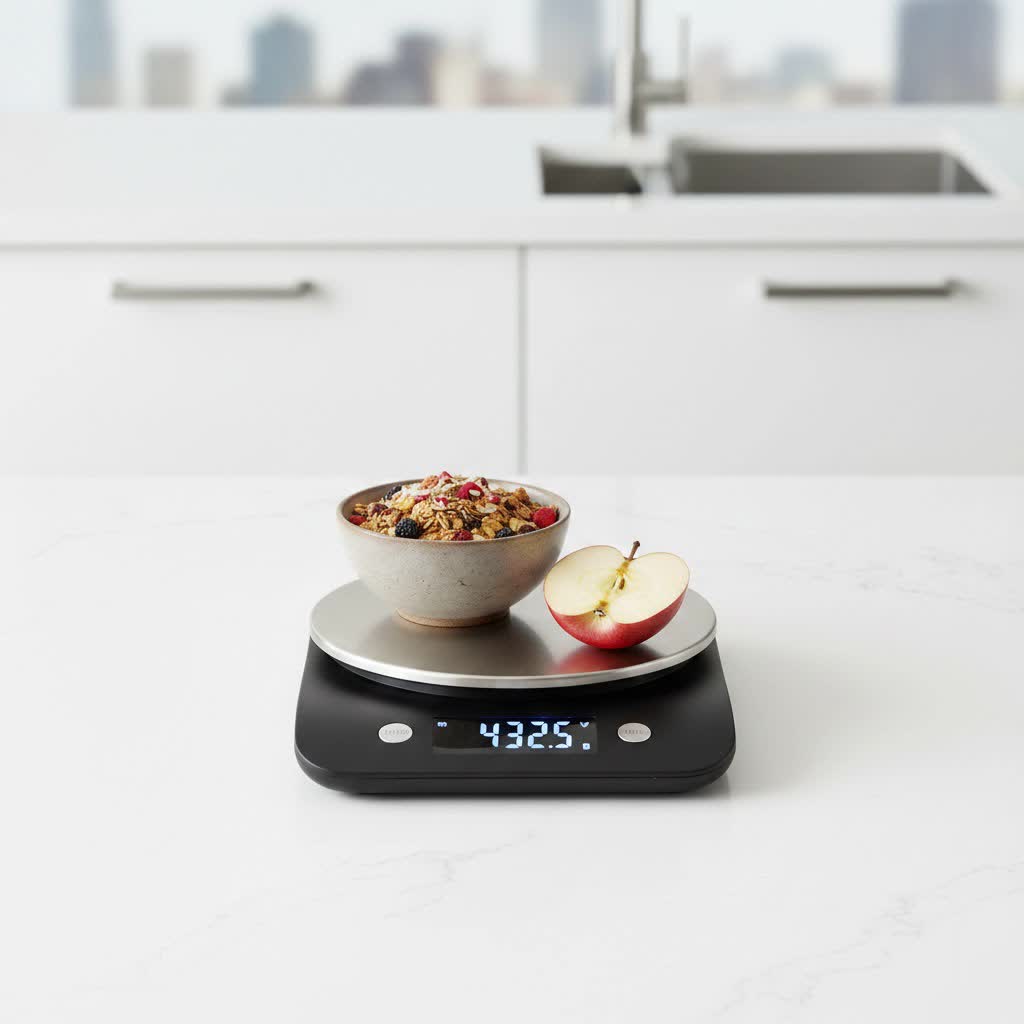
Have you ever wondered why your baked goods sometimes turn out perfectly, and other times fall flat? The secret often lies in precision, especially when measuring liquids like milk and water. As the Admin of reviewtvs.com, with over a decade of experience reviewing kitchen appliances, particularly digital kitchen scales, I’ve learned that achieving consistent results in cooking and baking hinges on accurate ingredient measurement. This article will guide you through the most effective methods, ensuring your liquids are always spot-on.
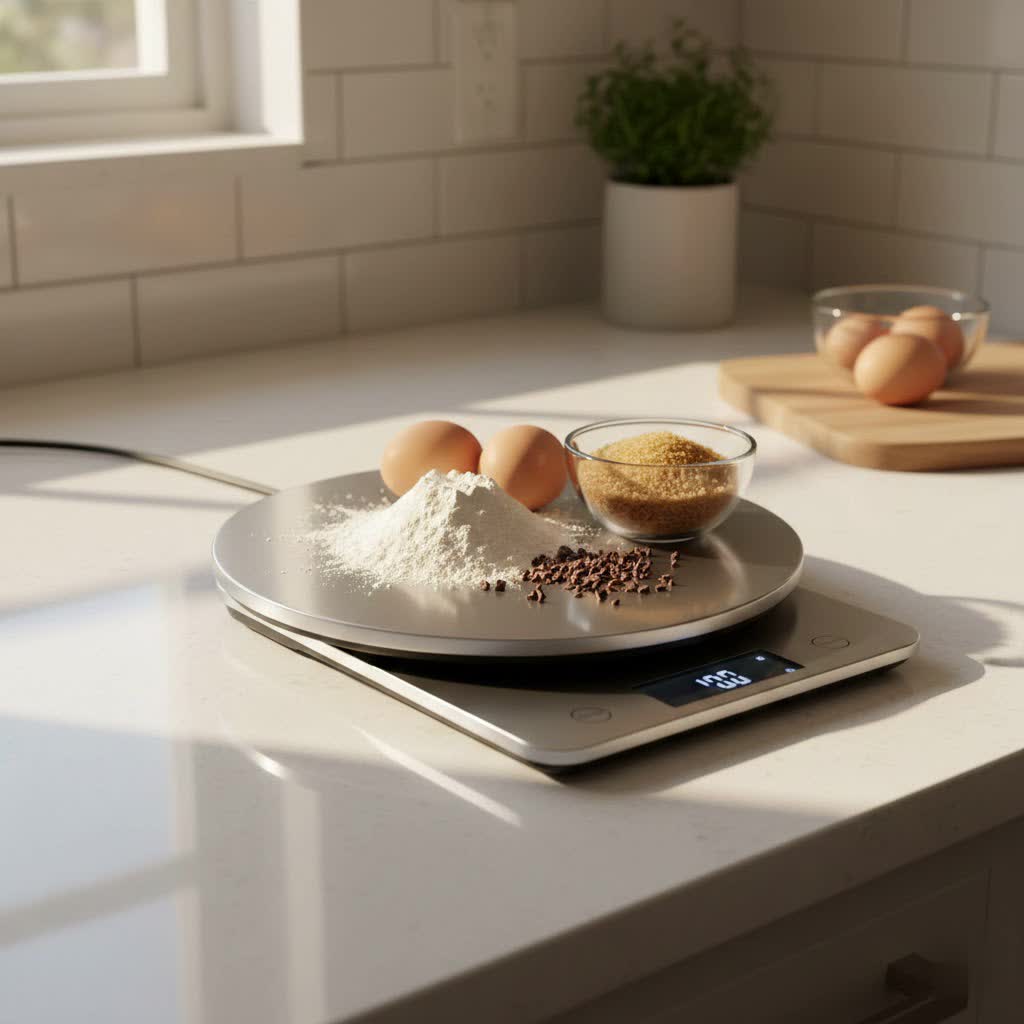
Why Accurate Liquid Measurement Matters
In the culinary world, particularly in baking, precision is paramount. Slight deviations in liquid measurements can dramatically alter the chemistry of a recipe, leading to outcomes that are less than ideal. Accurately weighing your liquids ensures that you’re adhering to the exact ratios intended by the recipe developer. This consistency is not just for professional bakers; it empowers home cooks to replicate dishes reliably every single time. Beyond culinary success, precise measurement also helps in portion control, supporting healthy eating habits and dietary goals. When you know exactly how much milk or water is going into your recipe, you gain better control over nutritional intake.
Understanding Measurement Methods: Volume vs. Weight
Traditionally, many recipes call for liquid ingredients to be measured by volume, using standard liquid measuring cups. While this method is widely used, it comes with inherent challenges. The meniscus, the curve of the liquid’s surface, can lead to parallax errors if you don’t view it at eye level on a flat surface. This seemingly small error can accumulate, especially in sensitive recipes.
Enter the digital kitchen scale, a game-changer for precise liquid measurement. Unlike volume measurements, which can vary with the density of the liquid and reading angle, weight measurements are absolute. A gram is always a gram, regardless of whether it’s water, milk, or oil. This undeniable consistency makes weighing liquids the superior method for achieving true accuracy in your kitchen.
The Power of Your Digital Kitchen Scale
A digital kitchen scale is not just for dry ingredients; it’s incredibly effective for liquids too. These scales typically feature a “tare” or “zero” function, which is indispensable for weighing liquids. This function allows you to place your empty container on the scale and then reset the display to zero, effectively subtracting the container’s weight. This way, the scale only measures the weight of the liquid you add.
Many scales also offer the flexibility to switch between units, such as grams, ounces, and sometimes milliliters. While milliliters are a volume unit, using grams for liquids provides the highest level of accuracy, as it directly reflects the mass. A significant benefit of using a digital kitchen scale is the ability to pour ingredients directly into your mixing bowl. This reduces the number of dishes you use, making cleanup much faster and more efficient, allowing you to focus more on the joy of cooking or baking.
Step-by-Step Guide to Weighing Liquids
Weighing liquids with a digital kitchen scale is a straightforward process that becomes second nature with a little practice. Follow these simple steps for perfectly measured ingredients every time:
- Place Your Container: Set your empty bowl or container, such as a measuring cup or mixing bowl, directly onto the center of your digital kitchen scale.
- Tare the Scale: Press the “tare” or “zero” button. The display should now read 0 grams (or your chosen unit). This step ensures that you’re only measuring the liquid, not the container.
- Pour Carefully: Slowly and steadily pour your liquid into the container. Keep an eye on the digital display and stop pouring once you reach the desired weight. If you accidentally overpour, simply remove a small amount with a spoon or pipette until the correct weight is shown.
- Record (Optional): For complex recipes or if you’re converting, it might be helpful to note down the precise weight used.
This method eliminates the guesswork associated with reading liquid levels in volumetric cups, offering a truly precise measurement that contributes to consistent culinary results.
Common Conversions for Water and Milk
When a recipe provides liquid measurements in volume (like cups or fluid ounces) but you prefer to weigh for accuracy, you’ll need to perform a quick conversion. For water, the conversion is very straightforward:
- Water: Approximately 1 cup of water weighs 236 to 240 grams (or about 8 fluid ounces). For most kitchen purposes, 240 grams per cup is a widely accepted and practical conversion.
Milk is slightly denser than water, meaning its weight per volume will be a little higher. While many home cooks use the same 240 grams per cup conversion as water for simplicity, being aware of the slight difference can be helpful for extreme precision:
- Milk (Whole): Approximately 1 cup of whole milk weighs around 244 grams. For recipes where this slight difference is critical, such as delicate pastries or specific scientific baking, always refer to a trusted conversion chart or the recipe creator’s specific recommendations.
When a recipe specifies measurements in grams or ounces, always follow those directly. If not, these conversions provide an excellent starting point for accurate liquid measurement.
Beyond Water and Milk: Weighing Other Liquids
The benefits of using a digital kitchen scale extend far beyond water and milk. For many other liquids, especially those with varying viscosities and densities, weighing offers even greater advantages over volumetric measurement. Think about sticky, thick liquids like honey, maple syrup, or molasses. These ingredients are notorious for clinging to measuring cups, making it difficult to get an accurate volume and leading to waste. When you weigh them, you can easily scrape every last gram into your mixture, ensuring precise quantities and minimal mess.
Oils, creams, and even liquid flavorings also benefit from weight measurement. Their densities can differ significantly, and subtle variations in volume can impact the final texture and flavor of a dish. By weighing these liquids, you eliminate the inconsistencies caused by these physical properties, leading to more predictable and delicious outcomes.
Troubleshooting and Tips for Precision
Even with the best tools, a few simple tips can elevate your liquid weighing game:
- Stable Surface: Always place your digital kitchen scale on a flat, stable, and level surface. Uneven surfaces can cause inaccurate readings.
- Avoid Vibrations: Keep the scale away from sources of vibration, such as blenders or mixers, while taking measurements.
- Calibrate Regularly: Some high-precision scales allow for calibration. Refer to your scale’s manual and calibrate it periodically to maintain accuracy.
- Use the Right Container: Choose a container that’s large enough to hold your liquid without spilling but not so large that it obscures the display. A container with a spout can also aid in careful pouring.
- Don’t Rush: Take your time when pouring, especially as you approach the target weight. A slow, steady stream is easier to control than a fast pour.
“For consistent baking, a digital kitchen scale is your best friend. It takes the guesswork out of liquid measurements, ensuring your recipes turn out perfectly every time.” – Chef Alice Chen, Culinary Instructor and Baking Expert
Conclusion
Mastering the art of accurately weighing liquids like milk and water transforms your cooking and baking from guesswork into a precise science. By embracing the digital kitchen scale and its invaluable “tare” function, you unlock a new level of consistency, control, and confidence in the kitchen. This not only elevates the quality of your dishes but also streamlines your preparation process, making cooking more enjoyable. So, next time you reach for your liquids, remember the power of the scale. What will be the first perfectly measured recipe you create?
Frequently Asked Questions
Why should I weigh liquids instead of using traditional measuring cups?
Table is empty.Weighing liquids with a Digital Kitchen Scale offers superior accuracy because it measures mass, which is constant, unlike volume, which can be affected by factors like liquid density and reading errors (parallax). This precision is crucial for consistent results, especially in baking where ingredient ratios are critical.
Do all liquids weigh the same per cup?
No, different liquids have different densities, meaning a cup of milk will weigh slightly more than a cup of water, and a cup of oil will weigh less. While approximations are often used in home cooking, weighing ensures exact amounts for all liquids, regardless of their density.
How do I convert cups to grams for common liquids?
For water, 1 cup typically converts to approximately 236-240 grams. For milk, 1 cup is slightly heavier, around 244 grams. It’s best to use a reliable conversion chart or check the recipe’s specified weights if available, as exact conversions can vary slightly depending on the liquid type and temperature.