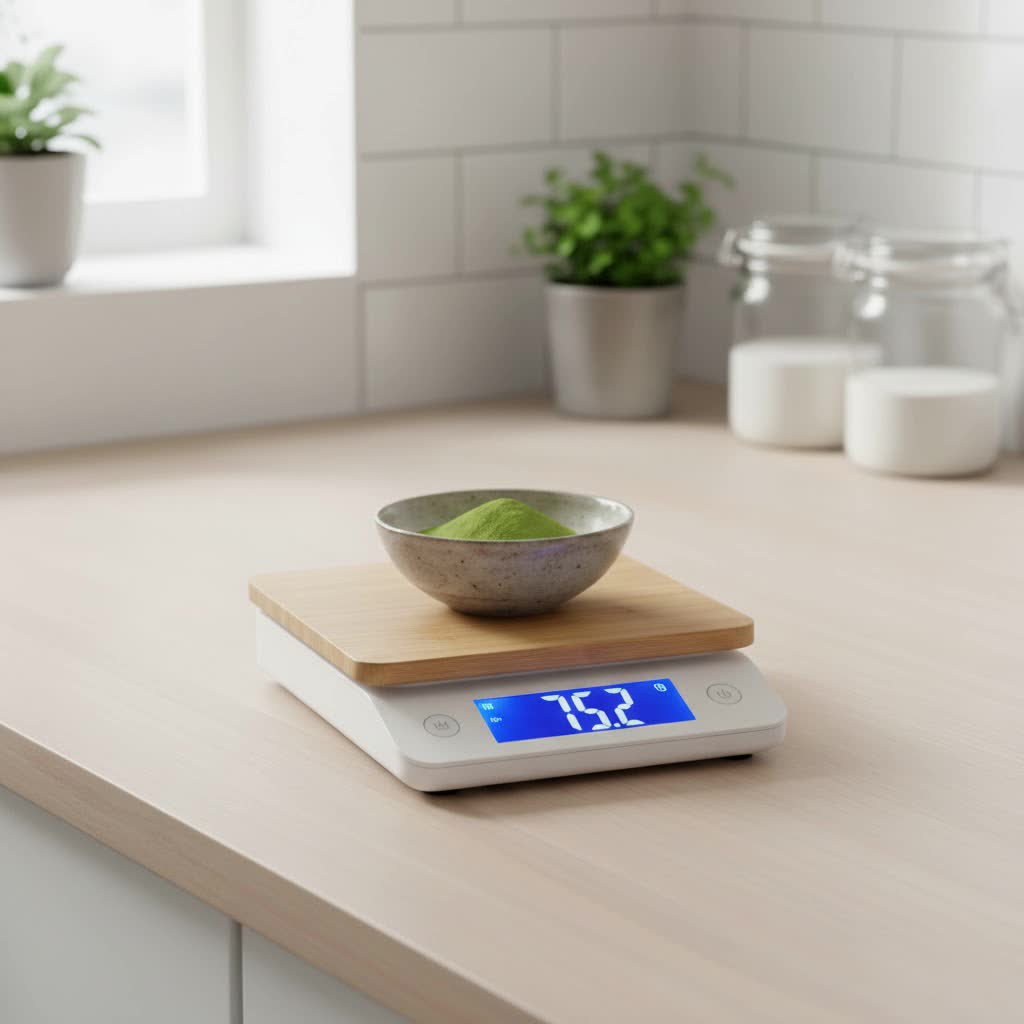
As the digital kitchen scale continues to evolve, becoming an indispensable tool for everything from precise baking to meticulous meal prep, the power source it relies on remains a critical, yet often overlooked, component. For over a decade, we at reviewtvs.com have delved into the intricacies of kitchen gadgets, particularly digital scales. We understand that the battery type powering your scale significantly impacts its reliability, convenience, and overall user experience. This article will guide you through a detailed comparison of button cell batteries (like the common CR2032) versus AAA batteries in digital kitchen scales, helping you make an informed decision in 2026 and beyond.
Why Battery Choice Matters for Your Digital Kitchen Scale
The seemingly small decision of battery type holds substantial weight for your digital kitchen scale. It directly influences how long your device operates between replacements, the consistency of its measurements, and even the initial design of the scale itself. A scale that frequently dies or provides inconsistent readings due to an unsuitable power source can turn an enjoyable cooking session into a frustrating chore. Furthermore, considering battery availability and environmental impact is increasingly important for today’s conscious consumer.
Understanding Button Cell Batteries (e.g., CR2032)
Button cell batteries, particularly the CR2032 lithium coin cell, are a common choice for many compact digital kitchen scales. Their small, flat design allows for thinner and more minimalist scale aesthetics, fitting seamlessly into modern kitchens. Typically, a single CR2032 provides 3 volts, which is sufficient for the low power demands of most kitchen scales. These lithium coin cells are often lauded for their stable voltage output, which is crucial for maintaining consistent measurement accuracy over their lifespan.
However, button cells generally offer lower capacity compared to cylindrical batteries. While a high-quality CR2032 can last over a year in low-use conditions, scales using them may require more frequent battery changes than those powered by AAA batteries. Another point of consideration is their availability; button cells can sometimes be harder to find when your scale unexpectedly dies mid-recipe, potentially causing a significant inconvenience. From an environmental perspective, their smaller size often leads to them being easily misplaced or improperly disposed of, contributing to waste.
Exploring AAA Batteries
AAA batteries are another prevalent power source for digital kitchen scales, often requiring two batteries to achieve the necessary 3-volt output (since each AAA battery provides 1.5 volts). Despite needing more physical space, leading to potentially bulkier scale designs, AAA batteries come with a host of advantages that appeal to many home cooks.
Primarily, AAA batteries boast a higher energy capacity per battery volume than most button cells. This often translates to significantly longer battery life, with some users reporting two years or more of use from a single set in their scales. Their widespread availability is also a major plus; AAA batteries are household staples, making replacements quick and easy to find when needed. Furthermore, AAA batteries are widely available in rechargeable (NiMH) formats, offering a sustainable and cost-effective solution over the long term. While the initial purchase cost of AAA batteries might be slightly higher than a single button cell, their extended lifespan and the option for recharging can lead to considerable savings and reduced waste over time.
Head-to-Head: Button Cell vs. AAA Battery Scales
Choosing between button cell and AAA battery scales ultimately comes down to your personal priorities and kitchen habits. Here’s a comparative overview to help you weigh the options:
| Feature | Button Cell (e.g., CR2032) | AAA Batteries (typically x2) |
|---|---|---|
| Size/Scale Design | Allows for compact, sleek scales | Requires more space, potentially bulkier |
| Voltage | Typically 3V (single cell) | 3V (two 1.5V cells in series) |
| Capacity (Approx.) | Lower (e.g., ~200-240 mAh) | Higher (e.g., ~1000-2400 mAh total) |
| Typical Battery Life | Several months to over a year (low use) | Several months to 2+ years (low to moderate use) |
| Availability | Less common, often specialty purchase | Very common, readily available in stores |
| Cost (Per Replacement) | Lower per unit, higher replacement frequency | Higher per unit, lower replacement frequency |
| Rechargeable Options | Limited (e.g., LIR2032, often lower capacity) | Widely available (NiMH) for long-term savings |
| Measurement Stability | Excellent (stable lithium voltage) | Excellent (stable alkaline/NiMH voltage) |
| Environmental Impact | More frequent disposal if not recycled | Less frequent disposal, good rechargeable options |
“The ultimate choice in scale battery type hinges on balancing compact design preferences against the desire for extended battery life and ease of replacement.”
Factors to Consider When Choosing Your Scale’s Battery Type
When selecting a digital kitchen scale, think about how the battery type aligns with your lifestyle:
- Scale Size and Aesthetics: If a super-slim, minimalist scale is a must for your kitchen, a button cell model might be your preference. Scales designed for AAA batteries are typically thicker, but their design might offer a more robust feel.
- Usage Frequency: For occasional use, either battery type may suffice, but if you’re a frequent baker or meal prepper, the longer lifespan of AAA batteries (especially rechargeable ones) will save you hassle.
- Environmental Concerns & Cost: Rechargeable AAA batteries offer the most eco-friendly and cost-effective solution in the long run. If disposables are preferred, consider the frequency of replacement and your access to proper battery recycling.
- Battery Accessibility: Do you want to easily grab a replacement from your junk drawer, or are you comfortable ordering specialty batteries online? For many, the widespread availability of AAA batteries provides unparalleled convenience.
Top Battery Brands for Digital Kitchen Scales
Regardless of the type you choose, investing in quality batteries from reputable brands can significantly extend your scale’s performance and accuracy. Some of the most trusted names include:
- Duracell: Known for their long-lasting alkaline and reliable coin cell batteries.
- Energizer: Offers leak-resistant designs and consistent power across their alkaline and lithium coin cell ranges.
- Panasonic: A solid choice for reliable coin cells with a strong shelf life.
- Sony: Popular for high-performance CR2032 lithium batteries, often found in original equipment.
Using off-brand or cheap batteries, especially for button cells, can lead to surprisingly short lifespans and inaccurate readings.
Tips for Maximizing Battery Life in Your Kitchen Scale
To get the most out of your digital kitchen scale’s batteries, consider these practical tips:
- Turn Off When Not In Use: Many digital scales have an auto-off feature, but manually turning it off can conserve extra power, particularly if the standby current is higher than optimal.
- Store Properly: Keep your scale and spare batteries in a cool, dry place away from extreme temperatures. Heat can significantly reduce battery life.
- Use Quality Brands: As mentioned, reputable battery brands offer better performance and longevity.
- Remove for Long Storage: If you’re storing your scale for an extended period, remove the batteries to prevent leakage and damage to the device.
- Avoid Mixed Batteries: Do not mix old and new batteries, or different brands/types, as this can reduce efficiency and potentially cause damage.
Conclusion
In the evolving landscape of kitchen technology in 2026, the choice between button cell and AAA battery-powered digital scales remains a key consideration for any home cook. While button cells offer a compact design and stable voltage, AAA batteries generally win on capacity, availability, and long-term cost-effectiveness, especially with rechargeable options. Your ideal scale will align with your priorities – be it minimalist aesthetics or unwavering, long-lasting performance. By weighing these factors, you can ensure your Digital Kitchen Scale is always ready to bring precision to your culinary adventures.
What battery type do you prioritize in your kitchen gadgets, and why?
Frequently Asked Questions
Which battery type lasts longer in a digital kitchen scale?
Table is empty.Typically, scales powered by two AAA batteries will offer a longer lifespan than those using a single CR2032 button cell due to the significantly higher overall energy capacity of AAA batteries. Anecdotal evidence suggests AAA batteries can last two years or more, while button cells may need replacement every few months to a year, depending on usage.
Are button cell batteries hard to find?
Button cell batteries, particularly specific types like CR2032, are generally less common than AAA batteries. While readily available online and in electronics stores, they might not be as easily found in every household drawer or local convenience store when an immediate replacement is needed.
Do rechargeable AAA batteries work well in kitchen scales?
Yes, rechargeable AAA (NiMH) batteries work exceptionally well in kitchen scales. They provide a consistent 1.2V per cell (totaling 2.4V or 3.6V depending on the number of batteries, which is usually within the operating range of most scales), offer significant long-term savings, and are an environmentally friendly option due to reduced waste.