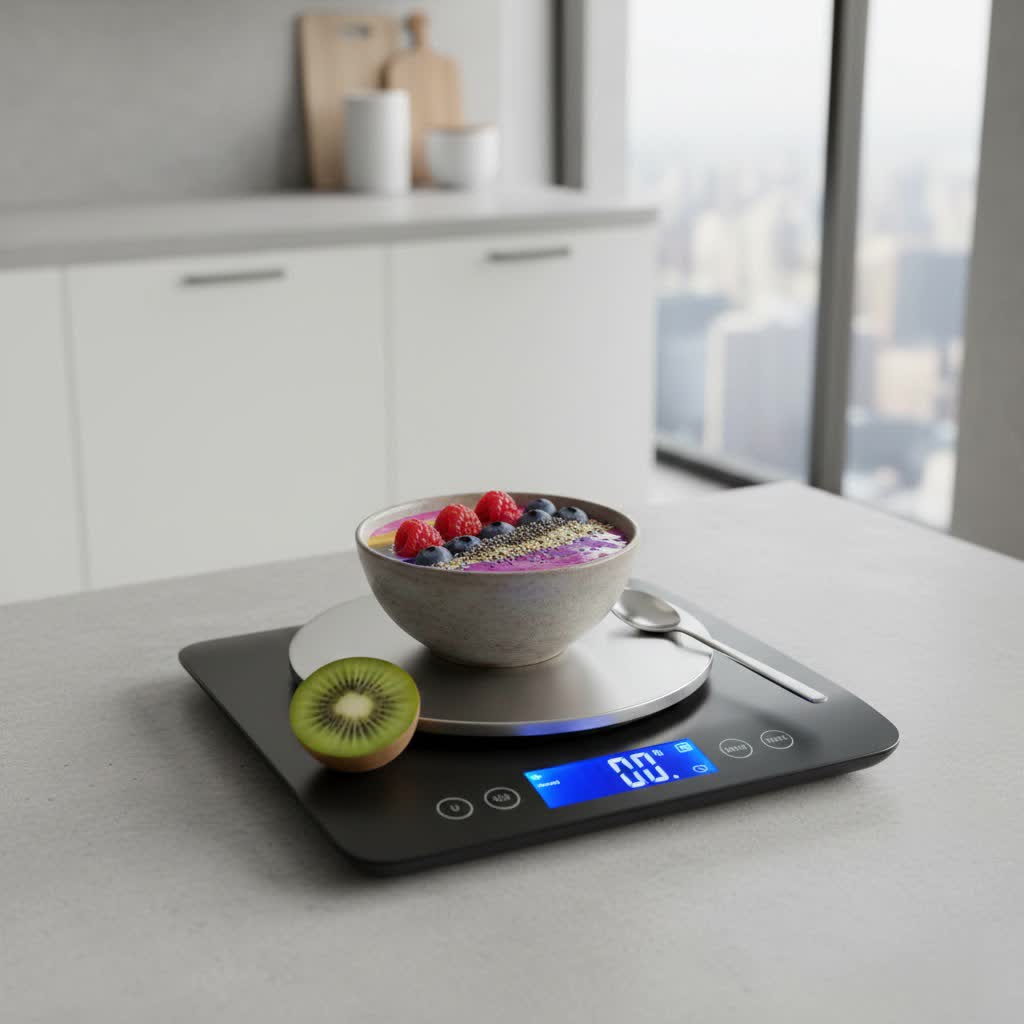
In the world of culinary arts, precision is often the secret ingredient that elevates a dish from good to unforgettable. As the Admin of reviewtvs.com, with a decade of experience reviewing kitchen appliances, especially digital kitchen scales, I’ve seen firsthand how the right tool can transform your cooking. When it comes to digital kitchen scales, one of the most critical, yet often misunderstood, specifications is accuracy. You’ve likely seen scales advertised with 1g, 0.1g, or even 0.01g precision, but what do these numbers truly mean for your daily cooking, baking, or specialty needs? This guide will demystify these accuracy levels, helping you choose the perfect scale to unlock culinary excellence, just like a trusted friend sharing their insights.
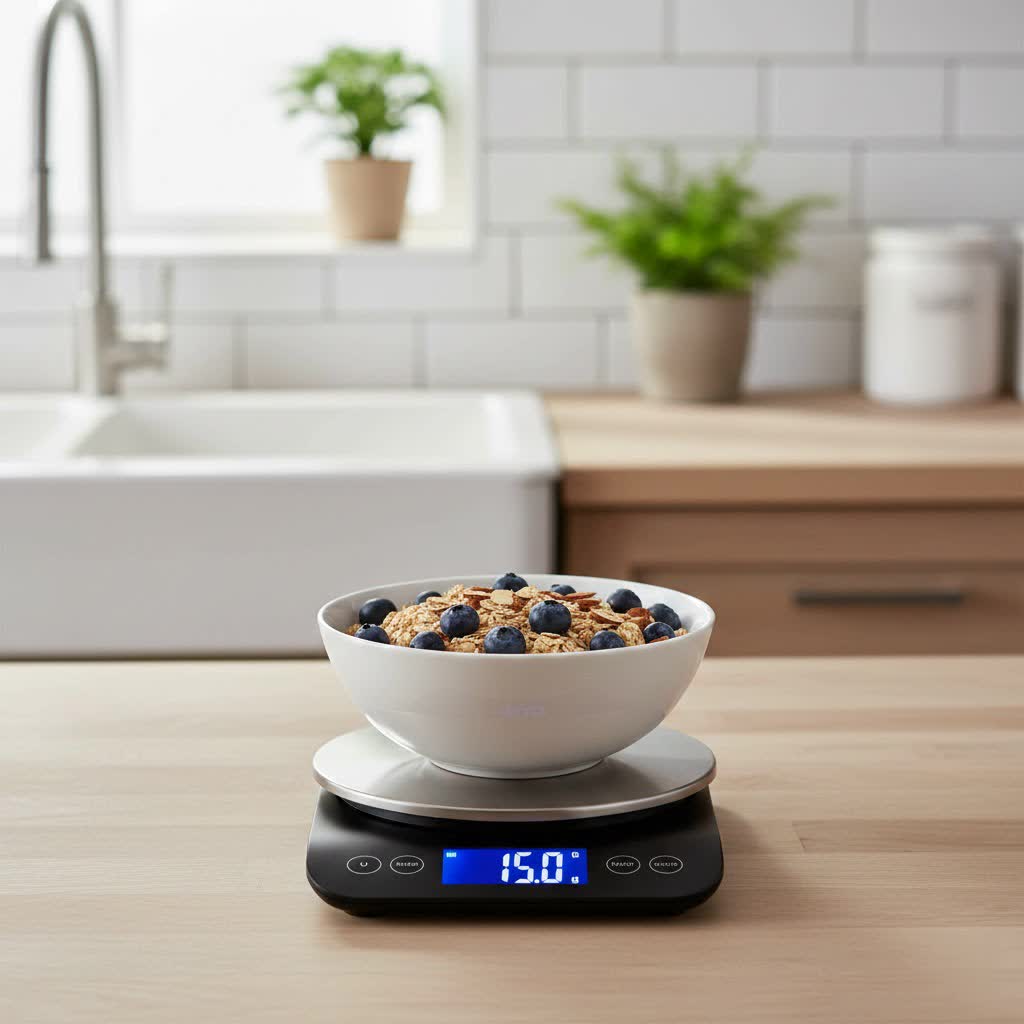
The Critical Role of Precision in Your Kitchen
Why does the accuracy of your kitchen scale even matter? The answer lies in the fundamental principles of cooking and baking. Recipes are often intricate formulas, where the balance of ingredients directly impacts flavor, texture, and consistency. Accurate measurements are paramount for several reasons:
Firstly, consistent results are impossible without precision. Whether you’re baking delicate pastries, brewing the perfect cup of coffee, or creating complex sauces, a slight deviation in key ingredients can lead to a vastly different outcome. Imagine a sourdough starter needing exact hydration or a delicate soufflé requiring precise leavening agents; these culinary feats demand exactness.
Secondly, for those focused on health and portion control, an accurate scale is an invaluable ally. Measuring ingredients to the gram allows you to meticulously track calories, macronutrients, and micro-portions, crucial for specific diets, supplement preparation, or managing health conditions. It ensures you’re truly consuming what you intend to.
Finally, precision contributes to efficiency and avoids waste. Over-measuring expensive ingredients like saffron or rare spices is not only wasteful but can also overpower your dish. Under-measuring can leave you with a bland result, requiring costly adjustments. The right accuracy helps you get it right the first time, saving both ingredients and effort.
Demystifying Accuracy Levels: 1g, 0.1g, and 0.01g Scales
Understanding the different levels of accuracy is key to selecting a scale that meets your culinary demands. These numbers refer to the smallest increment your scale can read (its readability), which directly impacts its practical applications.
1g Accuracy Scales: The Everyday Workhorse
Scales with 1-gram accuracy are the most common type found in home kitchens. They display measurements in whole gram increments (e.g., 1g, 2g, 3g).
- Description: These are robust, typically high-capacity scales designed for general cooking and baking. They often feature larger weighing platforms and can handle significant weights, from a few hundred grams to several kilograms (e.g., 5-15kg).
- Typical Use Cases: Ideal for most everyday tasks such as measuring flour for bread, vegetables for a stir-fry, or large quantities of meat. If your recipes typically call for ingredients in amounts greater than 5-10 grams, a 1g scale will serve you well.
- Pros: Generally very affordable, durable, and user-friendly. Their high maximum capacity makes them versatile for family meals and bulk cooking.
- Cons: Not suitable for very small quantities (e.g., less than 5 grams) or ingredients where minute differences are critical, such as yeast, spices, or extracts.
0.1g Accuracy Scales: The Baker’s and Barista’s Choice
Stepping up in precision, 0.1-gram scales display measurements to one decimal place (e.g., 1.2g, 5.5g). This level of accuracy opens up a wider range of culinary possibilities.
- Description: These scales offer a finer resolution, making them perfect for situations where fractional gram measurements are important. They often have a slightly lower maximum capacity than 1g scales (typically 2-5kg) but are still robust enough for most kitchen tasks.
- Typical Use Cases: Essential for serious bakers working with tiny amounts of leavening agents (baking powder, baking soda), yeast, or expensive spices. Coffee enthusiasts rely on 0.1g scales for precise espresso shots or pour-over ratios. They are also ideal for measuring supplements, tinctures, or small quantities of herbs.
- Pros: Provides a good balance between precision, affordability, and utility for specialized tasks. Significantly improves consistency for sensitive recipes.
- Cons: More expensive than basic 1g scales. While excellent for small amounts, they may not offer the massive capacity of some 1g models. Some budget models might have their 0.1g accuracy limited to a certain weight range (e.g., 0.1g up to 1000g, then 1g).
0.01g Accuracy Scales: Laboratory-Grade Precision for Niche Needs
Also known as milligram scales, these highly sensitive devices display measurements to two decimal places (e.g., 0.12g, 0.05g), equating to 10 milligrams.
- Description: These are precision instruments, often much smaller and more delicate than their 1g or 0.1g counterparts. They typically have a very low maximum capacity (e.g., 100g to 500g) and sometimes come with a draft shield to protect against air currents that could affect readings.
- Typical Use Cases: Primarily used in scientific, pharmaceutical, or highly specialized culinary applications where micro-dosing is crucial. This includes measuring extremely potent flavorings, certain food dyes, or precise chemical compounds in molecular gastronomy. Most home cooks will find this level of precision excessive for everyday use.
- Pros: Offers unparalleled precision for critical measurements, enabling exact replication of highly sensitive formulas.
- Cons: Significantly more expensive, often with a smaller weighing platform and lower maximum capacity. They are highly sensitive to environmental factors like drafts, vibrations, and temperature changes, requiring careful handling and frequent calibration. For most home users, this level of precision exceeds practical needs and comes with an unnecessary cost.
Understanding Readability vs. True Accuracy
It’s crucial to understand that a scale’s readability (the smallest increment it displays, e.g., 0.1g) is not always synonymous with its true accuracy (how close the displayed measurement is to the actual weight). A scale might read to 0.1g, but if it’s not properly calibrated, its measurements could be off by more than that.
True accuracy relies on several factors, including the quality of the load cell, the scale’s internal components, and proper calibration. Calibration is the process of adjusting a scale to ensure it measures weights precisely. While many scales come pre-calibrated, electronic scales can drift over time due to wear, temperature changes, or movement. Regular calibration, often using certified calibration weights, is essential to maintain a scale’s accuracy, especially for 0.1g and 0.01g models.
Comparison Table: Choosing Your Ideal Kitchen Scale Accuracy
Here’s a quick overview to help you decide which accuracy level is right for you:
| Feature / Accuracy | 1g Scale | 0.1g Scale | 0.01g Scale |
|---|---|---|---|
| Ideal Use | General cooking, large batches, meal prep | Baking, coffee brewing, spices, supplements | Micro-dosing, scientific, highly sensitive recipes |
| Smallest Comfortable Measure | ~5-10g | ~0.5g | ~0.05g |
| Typical Max Capacity | 5-15kg | 2-5kg | 100-500g |
| Cost | Low | Medium | High |
| Common Design | Larger platform, simpler display | Compact to medium, often with timer for coffee | Small, often with draft shield |
| Calibration Needs | Occasional | Regular (monthly recommended) | Frequent (weekly or before critical use) |
How to Choose the Right Accuracy for Your Kitchen Needs
Selecting the best digital kitchen scale isn’t just about picking the highest precision; it’s about matching the tool to your specific needs.
1. Determine Your Primary Needs
Start by considering what you’ll be weighing most often. Are you a casual cook measuring large quantities of ingredients for family meals? A 1g scale is likely sufficient. Are you a passionate baker experimenting with sourdough or intricate pastry recipes, or a coffee aficionado chasing the perfect brew? A 0.1g scale would be a significant upgrade. For highly specialized tasks like crafting molecular gastronomy dishes or preparing micro-doses, a 0.01g scale might be necessary.
2. Consider Ingredient Type and Quantity
Think about the types of ingredients and their quantities. Measuring 500g of flour is different from measuring 0.5g of yeast. Scales with higher accuracy often have lower maximum capacities. If you need to weigh both a 5kg turkey and 2 grams of active dry yeast, you might need two different scales or a 0.1g scale with a decent capacity that performs well across its range.
3. Budget
As accuracy increases, so does the price. 1g scales are the most budget-friendly, while 0.01g scales can be a significant investment. Determine what you’re willing to spend, keeping in mind that a moderately priced 0.1g scale often provides the best value for most advanced home users.
4. Features Beyond Accuracy
Beyond raw precision, consider other essential features:
- Tare Function: Allows you to zero out the weight of a container or successive ingredients.
- Unit Conversion: The ability to switch between grams, ounces, pounds, milliliters.
- Auto-Off: Saves battery life.
- Display: Clear, backlit, and easy to read.
- Platform Size and Material: Ensure it accommodates your bowls and is easy to clean (e.g., stainless steel).
5. Reputable Brands & Calibration Capabilities
Always prioritize brands known for quality and reliability. Look for scales that offer easy user calibration and, for higher precision models, consider those that include calibration weights or clear instructions.
Maximizing Your Scale’s Accuracy: Tips for Use and Maintenance
Even the best scale can give inaccurate readings if not used and maintained correctly.
- Stable, Level Surface: Always place your scale on a flat, stable, and level surface. Uneven surfaces or vibrations can significantly affect readings. Avoid areas near air conditioning vents or open windows that could cause drafts, especially for sensitive 0.01g scales.
- Regular Calibration: Calibrate your scale regularly, especially 0.1g and 0.01g models. For most home kitchen scales, monthly calibration is a good practice. Precision scales used frequently may benefit from weekly calibration or even before each critical use.
- Cleanliness: Keep your weighing platform clean. Food debris or spills can interfere with the load cell and lead to inaccurate measurements. Wipe with a damp cloth and mild detergent, avoiding harsh chemicals.
- Avoid Overloading: Never exceed your scale’s maximum weight capacity. This can damage the internal components and permanently impair its accuracy.
- Battery Awareness: Low batteries can lead to inconsistent or inaccurate readings. Replace batteries promptly or keep rechargeable models charged.
- Gentle Handling: Digital scales are sensitive instruments. Handle them gently and avoid dropping or jarring them. Store them in a dry, safe place.
“The true measure of a great dish isn’t just the ingredients you use, but the precision with which you combine them. The right scale is your unwavering partner in that pursuit.”
Conclusion
Choosing between a 1g, 0.1g, or 0.01g accuracy digital kitchen scale boils down to understanding your specific culinary needs and balancing them with the scale’s capabilities and cost. For most home cooks, a reliable 1g scale is perfectly adequate. However, for serious bakers, coffee aficionados, or those requiring exact measurements for health or specialized recipes, upgrading to a 0.1g scale is a game-changer. While 0.01g scales offer incredible precision, their niche application and higher demands often make them overkill for the average kitchen.
By prioritizing your specific requirements and following proper usage and maintenance tips, you can ensure your Digital Kitchen Scale remains a trusted tool, bringing consistent and delicious results to your culinary endeavors. Which level of accuracy do you find most essential in your own kitchen?
Frequently Asked Questions
What is the difference between readability and accuracy in scales?
Readability refers to the smallest increment a scale can display (e.g., 0.1g). Accuracy, on the other hand, describes how close the measurement is to the true weight. A scale can have high readability but poor accuracy if it’s not properly calibrated or if its internal components are of low quality.
Do I really need a 0.01g scale for home cooking?
For most home cooking and baking, a 0.01g scale is generally overkill. While it offers extreme precision, its benefits are typically only realized in highly specialized applications like molecular gastronomy or precise chemical measurements. A 0.1g scale provides sufficient accuracy for almost all advanced home culinary tasks.
How often should I calibrate my kitchen scale?
The frequency of calibration depends on the scale’s accuracy level and usage. For standard 1g kitchen scales, monthly or bi-monthly calibration is usually sufficient. For 0.1g precision scales, monthly calibration is recommended, and for 0.01g scales, calibration before each critical use or weekly is advisable to maintain optimal performance.
Can I use coins to calibrate my scale?
While coins have a relatively known mass and can be used for a quick check of your scale’s general function, they are not precise enough for proper calibration. For accurate calibration, it is essential to use certified calibration weights with known, precise values, as specified by your scale’s manufacturer.
Why do my scale readings fluctuate?
Scale readings can fluctuate due to several factors. The most common causes include an unstable or uneven surface, air currents (especially for highly sensitive scales), vibrations from nearby activity, temperature changes, or low battery power. Ensuring a stable environment and proper maintenance can help minimize fluctuations.