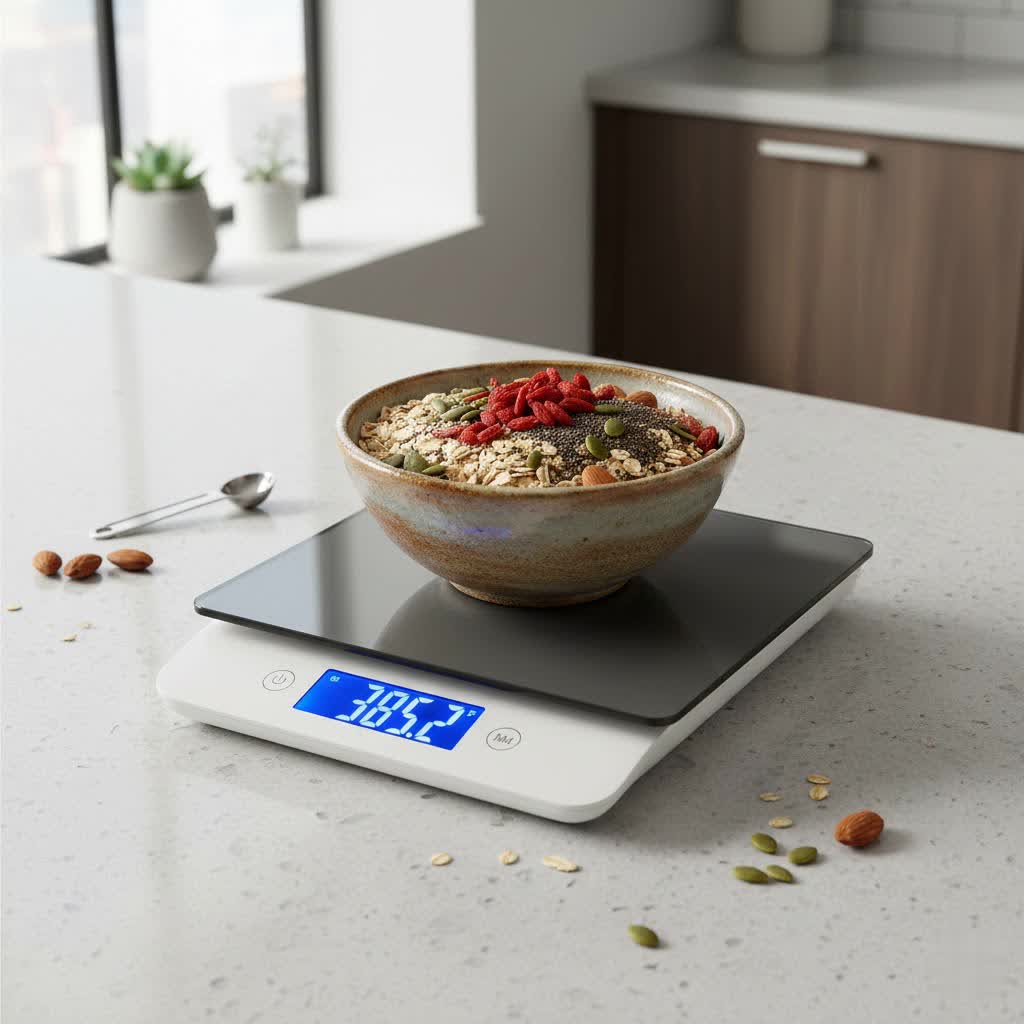
In the realm of culinary precision and health management, a digital kitchen scale stands as an indispensable tool. For anyone committed to meticulous portion control, monitoring caloric intake, or managing conditions like diabetes, the ability to measure ingredients with pinpoint accuracy is not just a convenience—it’s a necessity. This article delves into why these scales are crucial, the features that matter most, and how to choose the perfect one to support your health and cooking endeavors.
Why Digital Kitchen Scales Are Essential for Diabetics and Portion Control
The impact of precise measurement on health, particularly for individuals managing diabetes, cannot be overstated. Accurately weighing food is paramount for maintaining stable blood sugar levels, preventing both hyperglycemia from overeating and hypoglycemia from insufficient intake. Digital kitchen scales empower users to stick to precise portion sizes, which is vital for effective carbohydrate counting and consistent macro tracking. This precision eliminates guesswork, ensuring that every meal aligns with dietary goals, supports weight management, and ultimately contributes to better overall health. Beyond health, precise measurements are also the secret to consistent culinary success, from perfectly balanced recipes to faultless baked goods.
Key Features to Look for in a Kitchen Scale
Choosing the right digital kitchen scale involves considering several features that contribute to its functionality, accuracy, and user experience.
Accuracy and Precision
Table is empty.The foundation of any good kitchen scale is its ability to deliver precise measurements. Look for models that offer gram-level accuracy, typically measuring in 1-gram increments. This fine granularity is especially important for ingredients used in small quantities, or when carb counting requires exact figures. Consistent readings are also vital, ensuring reliability with every use.
Capacity and Units
Consider the maximum weight capacity. Most home kitchen scales range from 5 kg (11 lbs) to 10 kg (22 lbs), which is sufficient for most cooking and baking tasks. Ensure the scale can switch between various units of measurement, such as grams (g), ounces (oz), pounds and ounces (lb:oz), milliliters (ml), and fluid ounces (fl oz), catering to different recipes and dietary tracking needs.
Tare Function
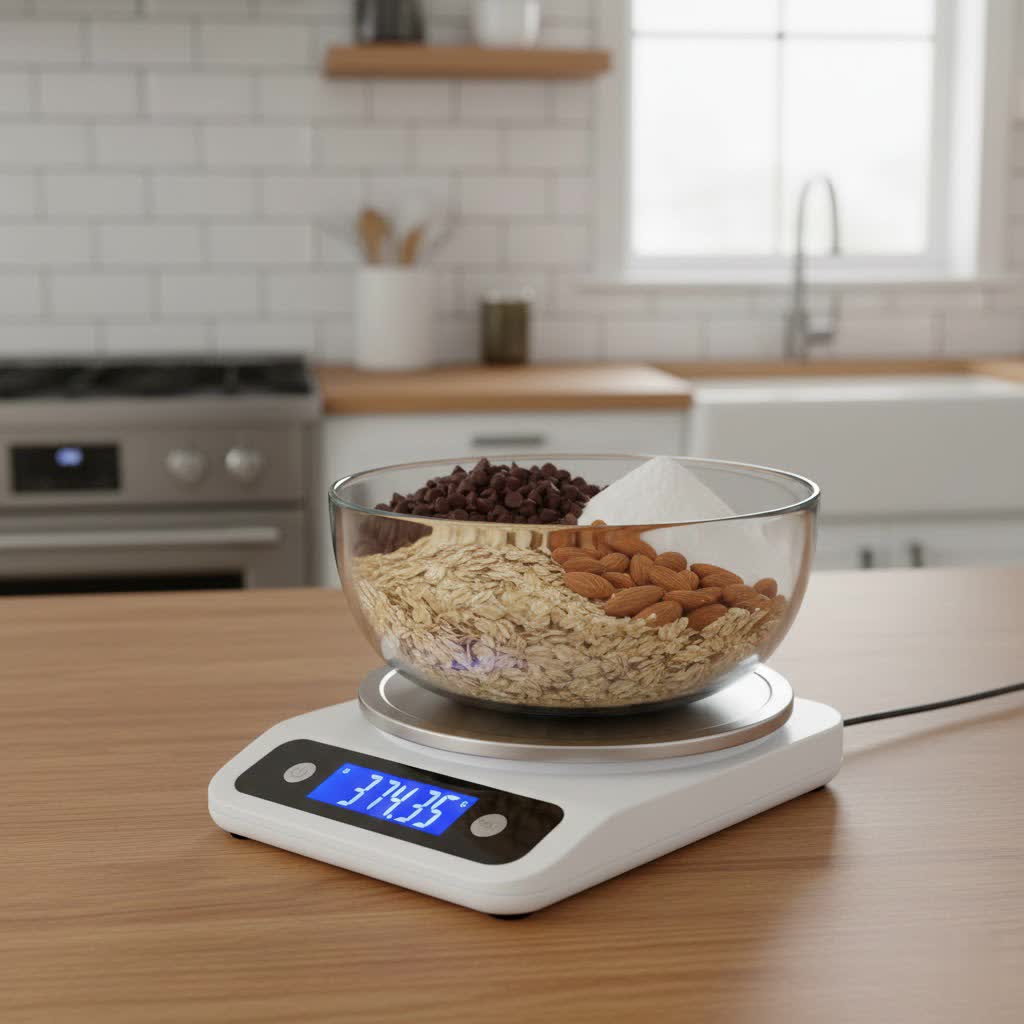
An essential feature, the tare function allows you to reset the scale to zero after placing a container on it. This enables you to measure only the ingredients, even when adding multiple items to the same bowl, simplifying meal preparation and ensuring accurate cumulative weights.
Display
A large, clear, and backlit LCD display significantly enhances usability, especially in dimly lit kitchens or for those with limited vision. Easy-to-read numbers prevent errors and make quick checks effortless.
Ease of Cleaning
Kitchen scales inevitably come into contact with food. Models with smooth, wipeable surfaces like stainless steel or tempered glass are ideal as they are easy to clean and maintain hygiene.
Durability
A sturdy build ensures the scale can withstand daily use in a busy kitchen. Look for materials that are robust and resistant to minor impacts.
Smart Features and App Integration
For diabetics and those rigorously tracking nutrition, smart scales offer significant advantages. Many can connect to smartphone apps (e.g., Fitbit, MyFitnessPal, Glucose Guide), automatically log food weights, and even provide nutritional data like macronutrient breakdowns and calorie counts. This integration streamlines food journaling, carb counting, and overall dietary management, reducing the manual effort involved.
Power Source
Most digital kitchen scales are battery-operated. Consider models with good battery life indicators and an auto-off feature to conserve power.
Types of Digital Kitchen Scales
Digital kitchen scales come in various forms, each suited to different user needs and preferences.
Standard Digital Scales
These are the most common type, offering accurate weight measurements with a simple interface. They are versatile, capable of weighing both dry and liquid ingredients, and typically feature a tare function and multiple unit options. Scales like the Accuweight Digital Kitchen Scale or the Ozeri Pronto fall into this category, providing reliable performance for everyday cooking and basic portion control.
Nutrition/Smart Scales
Designed for the health-conscious, these scales go beyond simple weight measurement. They often integrate with companion apps to provide detailed nutritional information, including calories, carbohydrates, fats, and proteins for the weighed food items. The Etekcity Food Kitchen Scale with Smart Nutrition App or the Greater Goods Nutrition Scale are prime examples, offering advanced tracking capabilities that are particularly beneficial for diabetes management and macro counting.
High-Capacity/Durable Scales
Some scales are built to handle heavier loads or more rigorous use. These might feature larger platforms, more robust construction, and higher weight limits, making them suitable for batch cooking, preparing large meals, or professional kitchen environments. The My Weigh KD-8000 is known for its durability and larger capacity.
Table Comparison: Choosing Your Ideal Kitchen Scale
| Feature | Standard Digital Scale | Nutrition/Smart Scale |
|---|---|---|
| Precision | High (typically 1g increments) | High (typically 1g increments) |
| Capacity | Medium (5-11 lbs) | Medium to High (11-18 lbs) |
| Tare Function | Yes | Yes |
| Nutrition Tracking | No (manual input required into apps) | Yes (via app integration, automatic data upload) |
| App Connectivity | No | Yes (integrates with health and fitness apps like Fitbit) |
| Ease of Use | Very easy, straightforward operation | Easy, but initial app setup required |
| Cost | Low to Medium | Medium to High |
| Best For | Basic portion control, simple carb counting with manual logging, general cooking/baking | Detailed macro tracking, seamless food logging for diabetes management, nutritional insights |
Top Recommended Digital Kitchen Scales for Health
Based on their features and suitability for portion control and diabetes management, here are some top recommendations:
- Greater Goods Nutrition Scale: This scale stands out for its ability to provide comprehensive nutrition information for various foods, even those without labels. It’s excellent for those wanting to track macros closely for weight loss or diabetes management.
- Etekcity Food Kitchen Scale with Smart Nutrition App: Combining high precision with smart technology, this scale integrates with a nutrition app to track up to 19 macronutrients, making food logging and carb counting significantly easier.
- Smart Chef Scale & App: Uniquely designed to streamline food logging, this system connects directly to popular diet apps like Fitbit and Weight Watchers, drastically reducing the time spent on manual entry and providing precise nutritional calculations.
- Accuweight Digital Kitchen Scale: For a reliable and precise option that offers excellent value, the Accuweight scale provides gram-level accuracy, a slim design, and essential features like tare and unit conversion, making it a staple for daily use.
- Escali Primo Digital Food Scale: This scale strikes a great balance between functionality, accuracy, and affordability. Its simple two-button operation and antimicrobial surface make it a practical and hygienic choice for any kitchen.
Tips for Using and Maintaining Your Kitchen Scale
To ensure the longevity and accuracy of your digital kitchen scale, follow these simple guidelines:
- Stable Surface: Always place your scale on a flat, stable, and level surface to ensure accurate readings.
- Regular Cleaning: Wipe down the scale after each use with a damp cloth. For glass or stainless steel surfaces, a mild cleaner can be used. Avoid abrasive materials that could scratch the surface.
- Protect from Liquids and Chemicals: Digital scales are sensitive to moisture. Keep them away from spills and never submerge them in water. Avoid harsh chemical cleaners, which can damage electronic components or the finish.
- Battery Management: Replace batteries promptly when the low-battery indicator appears to maintain accuracy. Remove batteries if the scale will be stored for an extended period to prevent leakage.
- Consistent Tare Usage: Always use the tare function when measuring ingredients in a bowl or plate to ensure you’re only weighing the food itself.
- Proper Storage: Store your scale in a dry, cool place where it won’t be exposed to extreme temperatures or heavy objects that could damage the weighing mechanism.
“For individuals managing diabetes, consistency in food weighing and portioning is the cornerstone of blood sugar control. A reliable digital kitchen scale is not just a gadget; it’s a vital partner in maintaining health.”
Conclusion
A high-quality digital kitchen scale is more than just a culinary gadget; it’s an invaluable ally in achieving health goals, particularly for those focused on precise portion control and managing diabetes. By providing accurate measurements, these scales empower users to make informed dietary choices, track nutritional intake effectively, and ensure consistency in their meals. Whether you’re a seasoned home chef or meticulously monitoring your health, investing in the right digital kitchen scale can transform your approach to food, making health management simpler and more effective. It’s about empowering yourself with the tools to live a healthier, more controlled life through the food you eat.
What steps will you take to incorporate a digital kitchen scale into your daily routine for better health outcomes?
Frequently Asked Questions
How often should I use a kitchen scale for diabetes management?
For optimal diabetes management, it is recommended to use a kitchen scale for every meal and snack where precise carbohydrate counting and portion control are crucial. Consistency helps maintain stable blood sugar levels and better track dietary intake.
Can any digital kitchen scale work for carb counting?
While any Digital Kitchen Scale can provide a weight, scales with gram-level accuracy and an easy-to-read display are best for carb counting. Smart scales that integrate with nutrition apps can further streamline the process by automatically calculating carbohydrate content based on the weighed food.
What is the tare function and why is it important?
The tare function allows you to zero out the weight of a container or previously added ingredients. This is essential for accurate portion control, as it ensures you are only measuring the weight of the food you intend to consume, not the bowl or plate it’s in.
Are smart kitchen scales worth the extra cost for diabetics?
For many diabetics, smart kitchen scales are a worthwhile investment. Their ability to automatically log food weights, track macronutrients, and integrate with health apps significantly simplifies dietary management, saves time, and provides more comprehensive data for blood sugar control compared to manual tracking.
How accurate do kitchen scales need to be for portion control?
For effective portion control and diabetes management, kitchen scales should ideally have a precision of at least 1 gram or 0.1 ounce. This level of accuracy ensures that even small quantities of ingredients are measured correctly, which is critical for precise carb counting and managing dietary intake.